4x4 Camping Safaris - Rooftop tent Camping
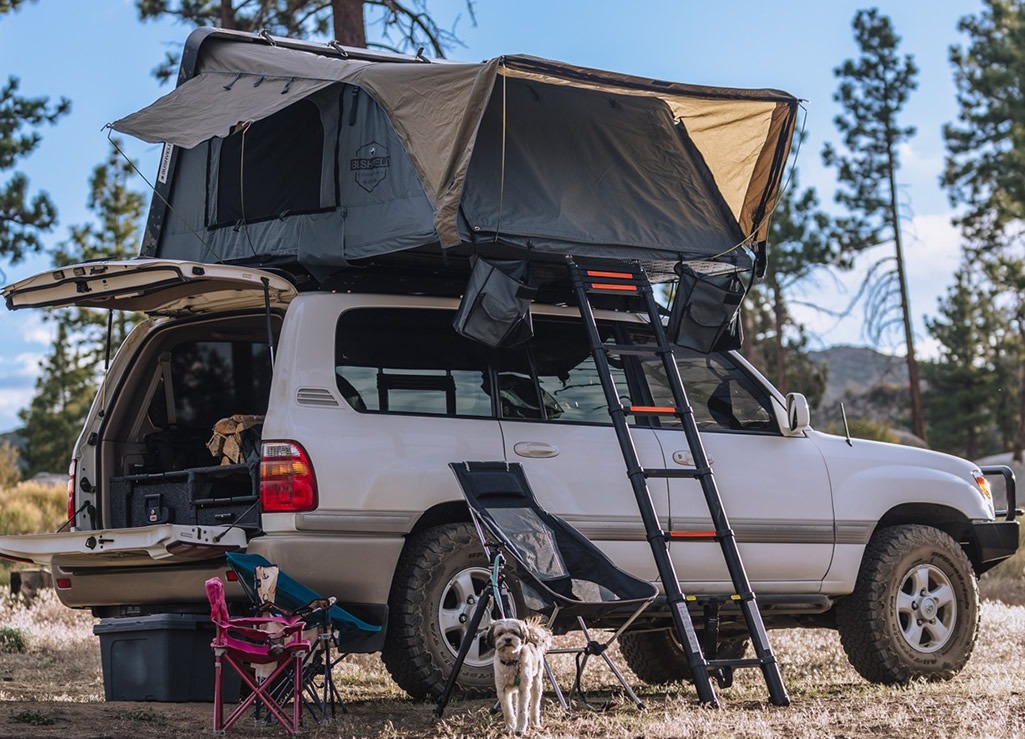
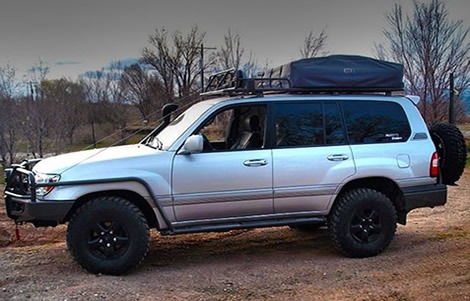
A rooftop tent camping safari is a self-drive or guided expedition in which the vehicle serves as both transport and accommodation. A foldable tent is mounted on the roof rack of a 4×4, usually a Toyota Land Cruiser, Hilux, or Land Rover Defender. Travelers drive between parks and camp each night at designated sites. In East Africa, the format has grown quickly over the past decade, driven by operators in Kigali, Kampala, and Entebbe who rent fully equipped vehicles with tents, mattresses, kitchen kits, fridges, camping tables and chairs, water tanks, and recovery gear.
Auto Rental Rwanda
All camping quotations include a double-occupancy rooftop tent and the standard camping extras below. Camping safaris are operated exclusively in 4×4 Land Cruisers, which are capable of carrying the 100 kg rooftop tent.
- Rooftop tents (2 people per each)
- Sleeping bags and Caution Pillows
- Camping Chairs and Tables
- An Electric Car fridge - 40 liters
- Cookery - (6 cylinder gas)
Rooftop camping is not ideal for everyone, and a realistic view helps:
- Driving demands: Roads in Rwanda are generally excellent and well maintained. Uganda has good main roads but many rough, potholed, or muddy park tracks. Driving is on the left in Uganda and on the right in Rwanda, which matters when you cross the border.
- Border formalities: Taking a rental vehicle across the border requires prior arrangement with the operator, plus the correct paperwork and insurance. Not all operators allow it, so confirm this at booking.
- Weather: The long dry seasons (roughly June to September and December to February) are the best times for camping and for gorilla trekking. During the rains, tracks become difficult and tents can be uncomfortable, though the landscape is greener and quieter.
- Altitude and cold: Volcanoes National Park and Bwindi are high and cold at night. Bring warm sleeping bags and layers.
- Wildlife rules: Never leave food in the tent. Follow the park’s guidance, particularly in areas with elephants, buffalo, or hippos. Some parks require an armed ranger escort for walks, and some restrict camping to specific areas.
- Insurance and recovery: Check the excess on vehicle insurance and whether the operator provides a recovery kit (shovel, traction boards, jack, compressor).
- Health and security: Take malaria precautions, carry a first-aid kit, and keep valuables locked in the vehicle.
How a Typical Trip Works
Most travelers collect the vehicle in Kigali or Entebbe, receive a briefing on the tent, the 4×4 controls, and the camping equipment, and set off with a route and a list of pre-booked sites. Options generally fall into three types:
- Self-drive: You drive and cook for yourself. This gives the most freedom and is the cheapest approach.
- Self-drive with a support briefing or convoy: Some operators offer GPS tracks, 24-hour phone support, and occasional guide contact.
- Driver-guided camping: A driver-guide drives, handles logistics, spots wildlife, and sometimes cooks. This costs more but suits those who want local knowledge and less stress.
Permits for national parks, gorilla and chimpanzee trekking, and park entry fees are normally arranged separately through the Rwanda Development Board (RDB) and the Uganda Wildlife Authority (UWA), either directly or through the operator. Gorilla permits sell out in peak seasons, so they should be booked months ahead. Since permit prices and rules change, check current figures with RDB and UWA before budgeting.
Budget Camping Safaris
Budget camping safaris in Rwanda offer an affordable way to experience the “Land of a Thousand Hills.” Travelers typically pitch tents or use basic campsites in places like Akagera National Park, Nyungwe Forest, and Volcanoes National Park’s surrounding areas. Activities include game drives to spot elephants, giraffes, and lions in Akagera, chimpanzee trekking in Nyungwe, and canopy walks. Costs stay low by self-catering, sharing transport, and renting gear locally.
Rwanda itself is a small, landlocked East African nation known for its stunning landscapes, remarkable cleanliness, and safety. Its capital, Kigali, is modern and welcoming. The country is famed for mountain gorillas, rich culture, and impressive post-1994 recovery, making it a standout destination for conscious, nature-focused travelers.
Auto Rental Rwanda
Advantages of Rooftop Tent Camping Safaris
1. Freedom and flexibility. You set your own pace. You can linger at a viewpoint, change the route when you hear of a good sighting, or stay an extra night at a place you love. Fixed lodge itineraries rarely allow this.
2. Cost savings. Accommodation is usually the largest safari expense. Camping fees are a fraction of lodge rates, and cooking your own meals reduces costs further. Vehicle rental with camping gear is often cheaper per person than a lodge-based safari, especially for families or groups of three to four sharing one vehicle (many vehicles carry two tents for four people).
3. Quick, comfortable setup. Rooftop tents open in a couple of minutes, and bedding can stay inside. They come with a proper foam mattress, which is far more comfortable than sleeping on the ground. There is no need to find flat, clear ground for pitching, and no pegs or poles to wrestle with after a long day of driving.
4. Safety and separation from the ground. Sleeping off the ground keeps you away from mud, ants, scorpions, snakes, and puddles after rain. Elevation does not make you immune to wildlife, so you must still follow site rules and keep food secured, but it adds a practical layer of comfort and security.
5. Access to remote places. A 4×4 can reach areas where public transport and standard cars cannot, especially in the rainy seasons when dirt roads turn to mud. This includes parts of Kidepo Valley, Queen Elizabeth National Park’s quieter tracks, and rural lake shores.
6. Immersion in nature. Camping puts you inside the landscape. In some Ugandan parks you can hear hippos grazing near your tent at night, hyena calls, or lions in the distance. Sunrise and sunset happen on your doorstep, and you can start game drives at first light when animals are most active.
7. Self-reliance and adventure. Navigating, cooking over a fire or gas stove, and managing your own camp is rewarding. Many travelers find the trip more memorable because they did it themselves.
8. Social and cultural contact. Camping at community-run sites and buying supplies in local markets brings you into contact with local people. You can also support community conservation projects through camping fees.
9. Good for families and groups. Shared costs, flexible meal times, and the ability to travel at a child-friendly pace make this format attractive for families, friends, and small groups.
Camping with Rooftop Tents in Rwanda and Uganda: Best Campsites and Car Hire Guide
Camping with rooftop tents is one of the most flexible ways to see Rwanda and Uganda. You drive at your own pace, sleep close to the wildlife, and wake up beside lakes, forests, and savannah. This guide covers the best campsites in both countries, a suggested route, and what to know about car rentals in Rwanda and car hire in Uganda before you go.
Why Choose a Rooftop Tent Safari in East Africa?
A self-drive rooftop tent safari gives you freedom that fixed-itinerary tours cannot. You choose when to start, where to stop, and how long to stay. Because your bed is on top of the vehicle, setup takes minutes and you are off the ground and away from damp soil. It is also good value: one vehicle covers transport and accommodation, which is why many travellers look for budget car hire in Rwanda and Uganda that includes camping equipment.
Best Camping Sites in Rwanda
Camping in Rwanda is less developed than in Uganda, partly because the government favours high-value, low-volume tourism. Still, there are some excellent options, and Rwanda’s good roads make it a comfortable first country for a rooftop tent trip. Many travellers arrange car rentals in Rwanda from Kigali and start their journey from there. A 4×4 is best for park tracks and the hilly west.
Akagera National Park
Akagera is Rwanda’s best camping destination for a 4×4 safari. It protects savannah, lakes, and papyrus swamps in the east, and it is home to lions, rhinos, elephants, giraffes, buffalo, hippos, zebras, and many bird species. The park has designated campsites, including lakeside spots such as Mihindi and Rubira (near the Rusumo and Ihema areas), where you can listen to the sounds of the park at night. The Big Five can all be seen here, and night drives are available.
Volcanoes National Park Area (Musanze)
The park itself does not offer standard camping for general visitors, but several lodges and community campsites in the Musanze region allow rooftop tent or ground tent camping close to the volcanoes. This is the base for gorilla and golden monkey trekking and for hikes up Mount Bisoke or Karisimbi. Camping here is cold, and sunrise views of the Virunga volcanoes are a highlight.
Lake Kivu Shoreline (Karongi, Rubavu, Rusizi)
Several lakeside lodges and guesthouses offer camping with spectacular views, swimming, kayaking, and boat trips. Lake Kivu is a relaxing end to a safari after gorilla trekking, and you can drive the scenic Congo-Nile Trail in sections.
Nyungwe National Park
Nyungwe has camping at designated sites, such as near Uwinka and in the Gisakura area. The forest has chimpanzees, many monkey species, and a canopy walkway. Nights are cool and misty, and camping here suits anyone seeking a true rainforest experience.
Best Camping Sites in Uganda
Uganda is the stronger camping country, with a wide range of established campsites, from simple public areas to scenic private lodges with showers and kitchens. Car hire in Uganda is widely available in Kampala and Entebbe, and many operators offer fully equipped 4×4 vehicles with rooftop tents, fridges, and camping gear, which makes planning much easier.
Queen Elizabeth National Park
The Mweya area and the Kazinga Channel are well known for hippos, elephants, buffalo, and boat safaris. Mweya has a campsite, and other options exist around Katwe and the crater lakes. The Ishasha sector in the south is famous for tree-climbing lions. Camping near water gives some of the best wildlife viewing.
Murchison Falls National Park
Uganda’s largest park offers the dramatic Murchison Falls, where the Nile squeezes through a narrow gorge, along with giraffes, lions, elephants, and the Nile boat trip. Camping is available at several sites in the park and nearby lodges, many overlooking the river. Hippos and elephants often wander through camp at night.
Kidepo Valley National Park
In the remote northeast, Kidepo is considered one of Africa’s most scenic wilderness areas. The Apoka area has camping, and the long journey is worthwhile for the sense of isolation. The park has lions, cheetahs, giraffes, and many bird species. A 4×4 is essential.
Lake Mburo National Park
Close to the Kampala–Kigali road, Lake Mburo is easy to reach and has zebras, impalas, elands, and giraffes. It also allows walking and horseback safaris, which are rare in Uganda. Campsites near the lake are good for a first night or a break between longer drives.
Bwindi Impenetrable National Park and Mgahinga
These are the main gorilla trekking areas. Many lodges and community camps around Buhoma, Ruhija, Rushaga, and Nkuringo allow camping, often with excellent forest views. Mgahinga also offers golden monkeys and volcano hikes. Mornings are cold and misty.
Lake Bunyonyi
The highlands near Kabale are beautiful for rest and relaxation. Several campsites sit on the shoreline or on hills above the lake, with canoe rides and swimming (the lake is considered free of bilharzia, but follow local advice). It is a popular stop between Rwanda and Bwindi.
Kibale Forest National Park and the Crater Lakes
Kibale is the top place to track chimpanzees. The nearby Ndali-Kasenda crater lakes and community sites offer camping with views and walking options.
Jinja and the Source of the Nile
For adventure lovers, Jinja has campsites on the Nile with white-water rafting, kayaking, quad biking, and bungee jumping, making a lively end to a trip.
Suggested Route Combination
A popular loop starts in Kigali, where you collect your vehicle from a car rental in Rwanda, then continues to Akagera, Volcanoes National Park for gorilla trekking, Lake Kivu, and Nyungwe. From there, cross into Uganda to Lake Bunyonyi, Bwindi, Queen Elizabeth, Lake Mburo, and onward to Kampala or Entebbe, with optional extensions to Murchison Falls and Kidepo. The trip takes 14 to 21 days, depending on how much time you spend in each place.
Car Hire Tips for Rwanda and Uganda
- Compare budget car hire in Rwanda. Prices vary with vehicle type, season, and what is included. Ask whether rooftop tents, camping gear, insurance, and unlimited mileage are part of the rate.
- Choose a 4×4. It is strongly recommended for Akagera, Kidepo, and rough park roads, and it gives you more confidence on wet highland tracks.
- Confirm cross-border rules. Not every operator allows vehicles to cross between countries. If you plan to drive both Rwanda and Uganda in one trip, check that the company provides the necessary border paperwork, or consider picking up separate car rentals in Rwanda and car hire in Uganda.
- Book early for peak season. Demand for rooftop tent vehicles is highest in the dry months, so reserve ahead.
Details:
- Car Rental & Camping Safaris
- Car Rental & Cross border safaris
- Car Rental & Driver guide
- Car Rental & One way Rentals
- Car Rental for long term
+250 780256709
KN5 Road Remera Kigali
info@autorentalrwanda.com
Mon — Fri: 8:00am — 18:00pm
Final Thoughts
A rooftop tent safari in Rwanda and Uganda combines adventure, flexibility, and value. It lets you experience gorilla forests, open savannah, and lakes at your own pace, and it connects you more closely to the places you visit. With sensible planning, covering permits, border paperwork, vehicle choice, weather, and basic safety, it can be one of the most rewarding ways to experience East Africa. Always verify current regulations, park fees, camping availability, and cross-border rules with operators and the relevant wildlife authorities before travelling.