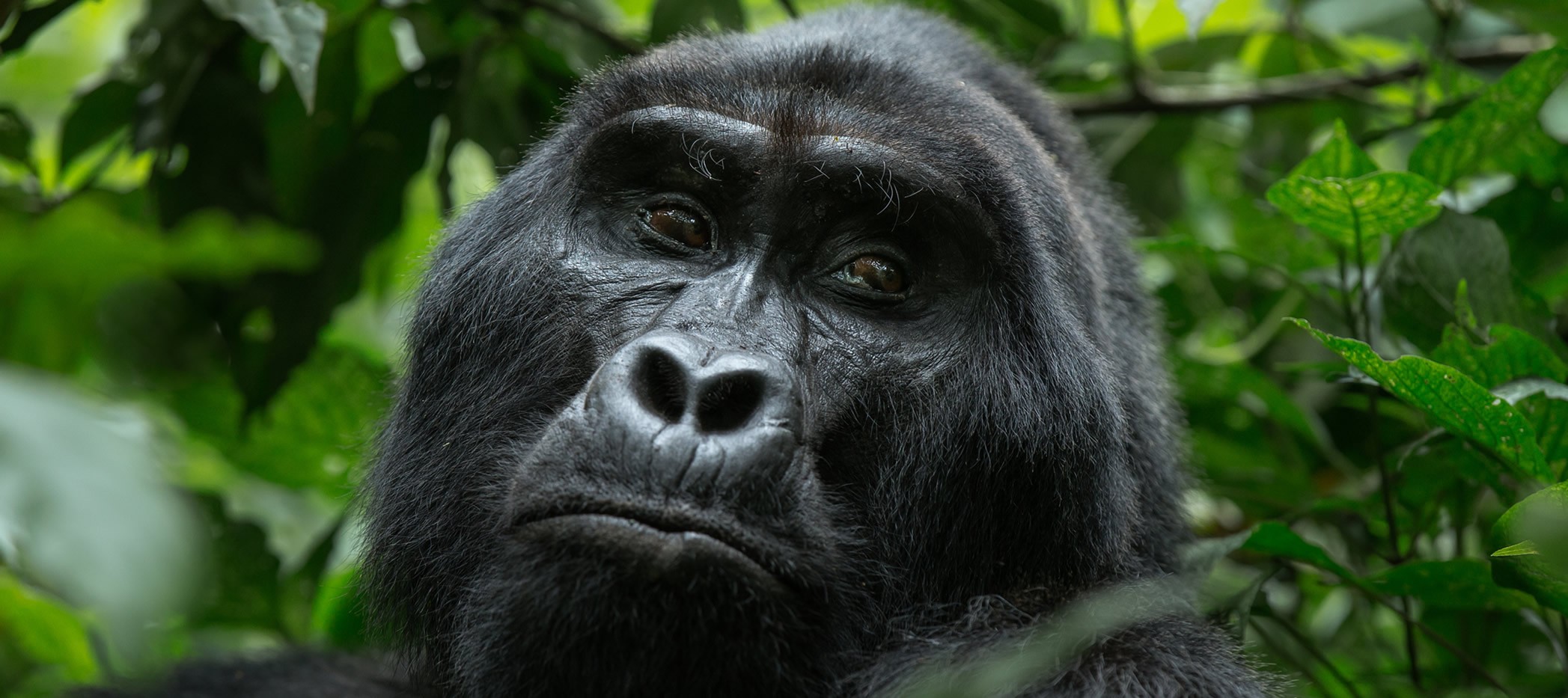
In Rwanda, a single one-hour permit costs $1,500. Add flights, lodging, transfers and tips, and a short trip can easily pass $4,000 to $6,000 per person. So the question is fair: is spending a sum like that to look at a primate for sixty minutes actually worth it?
The short answer is that for most people who value wildlife, nature and once-in-a-lifetime moments, it is. But it is not for everyone, and the answer depends on what you expect, how you plan, and what you would otherwise do with the money. Here is the full picture.
What you are actually paying for
It helps to understand why the price is so high, because the cost is not arbitrary.
Mountain gorillas are critically endangered in the sense that matters most: there are only a little over 1,000 left in the wild, living in the Virunga Massif (spanning Rwanda, Uganda and the Democratic Republic of Congo) and Uganda’s Bwindi Impenetrable Forest. Their numbers have crept upward in recent decades, which is one of conservation’s genuine success stories. That recovery has been driven largely by tourism money.
Current permit prices, which you should always confirm before booking because they change, run roughly as follows:
- Rwanda (Volcanoes National Park): $1,500 per person
- Uganda (Bwindi and Mgahinga): around $800 per person
- Democratic Republic of Congo (Virunga): roughly $400 to $500 per person, though security conditions in the region have made travel here unreliable and sometimes unsafe
Rwanda deliberately chose a high-value, low-volume model. Only a limited number of permits are issued each day, groups are capped at eight visitors per gorilla family, and each visit lasts a maximum of one hour once you find the animals. Fewer people means less disturbance and lower disease risk for animals that share about 98 percent of our DNA and can catch our colds and respiratory illnesses.
A meaningful share of the money goes back into conservation and local communities. Rwanda directs a portion of park revenue to community projects such as schools, clinics, water systems and housing in villages surrounding the park. Your fee also funds rangers, anti-poaching patrols, trackers who monitor the gorillas daily, and veterinary teams. In practical terms, the permit is part admission ticket and part donation, and the gorillas are alive in large part because people are willing to pay it.
What the experience is really like
The trek itself is part of the story. After a briefing at park headquarters, you are assigned to a gorilla family and set out with a guide, armed rangers and porters. Trekking time varies enormously, from under an hour to five or six hours, depending on where the family spent the night and how far they have moved. The terrain is steep, muddy and often wet, through bamboo, dense vegetation and volcanic slopes at altitudes above 2,000 metres.
Then you find them. Most people describe the moment of first contact in similar terms: a hush, a flash of black fur through leaves, and then a silverback or a mother with an infant a few metres away, entirely unbothered by your presence. You are asked to stay about seven metres back, though the gorillas do not always follow the rule. Juveniles wrestle, babies tumble out of trees, and the dominant male watches calmly. It is intimate in a way that few wildlife encounters are, very different from watching a distant lion from a vehicle.
The hour passes quickly. Many visitors say it felt like ten minutes. That brevity is the main complaint, and it is also why the experience works: the limit protects the animals, and it keeps the moment concentrated.
The case for it being worth it
It is genuinely rare. Only a handful of places on Earth offer this encounter, and nothing else replicates it. Seeing gorillas in a zoo and meeting them in their own forest are different experiences altogether.
Your money does real conservation work. Unlike many expensive travel experiences, the economics here are directly tied to protecting a species. Tourism gives governments and local people a financial reason to keep the forest standing rather than clearing it for farmland.
The trip is more than one hour. Rwanda and Uganda are scenic, safe and well organised. Most travellers pair gorillas with other highlights: golden monkey tracking, Akagera or Queen Elizabeth National Park for classic safari wildlife, Lake Kivu or Lake Bunyonyi, and in Rwanda, Kigali’s genocide memorial and vibrant food scene. Viewed as a whole trip, the cost per day of enjoyment drops considerably.
Memories hold their value. Research on spending and happiness consistently suggests that experiences tend to give lasting satisfaction in a way that possessions do not. People rarely regret having gone, and many name it as the best day of their travel life.
The case against
Being honest means acknowledging where the experience can fall short.
Physical difficulty is real. If you struggle with steep hills at altitude, you may find the hike gruelling. Porters can carry your bag and, in some cases, help you along, and there are options to hire assistance, but a poor fitness level can dampen the day. Visitors must also be at least 15 years old and in good health, since illnesses such as colds can put gorillas at risk.
You can be unlucky. Weather can be miserable, visibility poor and photography difficult in dark forest. Occasionally the gorillas stay deep in thick vegetation. These cases are the exception, but they happen.
The cost excludes many people. For a family of four, permits alone in Rwanda reach $6,000 if all are old enough. For a traveller on a tight budget, the same money could fund a month of travel elsewhere.
Not everyone is moved by it. If you are not especially interested in wildlife, an hour spent watching animals eat leaves may feel underwhelming compared with the effort and expense. Be honest with yourself about what excites you.
Rwanda versus Uganda: where the value lies
The choice of country changes the value equation significantly.
Rwanda is the premium option. It offers easy logistics, since Volcanoes National Park is roughly a two-hour drive from Kigali, along with smooth roads, polished lodges and shorter average treks in many cases. It suits travellers short on time or wanting comfort, and those who see the higher permit as a bigger contribution to conservation.
Uganda is the value option. The $800 permit saves $700 per person, and Bwindi’s ancient, dense forest delivers a wilder, more rugged feeling. The trade-offs are longer drives, rougher roads, and treks that can be longer and steeper. For a couple, the permit savings alone can fund extra safari days or a nicer lodge.
DRC is cheapest but carries serious safety and political risks, so most travellers should check official government advice and consider whether it is wise to go at all.
How to get the most for your money
If you decide to go, a few practical choices make the investment count.
- Book early. Permits sell out, particularly for the dry months of June to September and December to February. Booking six months or more ahead is wise for peak periods.
- Choose the dry season if you can, but do not fear the wet. Dry months mean easier trekking, though the rainy season brings lower lodging prices and fewer visitors.
- Be honest about your fitness when requesting a gorilla family. Operators can often assign easier or harder groups, and matching them to your ability makes a large difference.
- Hire a porter. The fee is modest, it supports local families, and it makes the hike far more comfortable.
- Pack properly. Waterproof layers, sturdy boots, gardening gloves for gripping vegetation, long trousers and gaiters make the day far more enjoyable.
- Travel with a reputable operator. Good operators handle permits, transfers and lodging properly, and treat staff and communities fairly.
- Combine it with other experiences. Spreading the long-haul flight cost across a wider itinerary improves the value per day substantially.
- Behave responsibly. Keep your distance, stay quiet, never trek while ill, and follow the guides’ instructions without exception.
Is it ethical?
A reasonable concern is whether tourism harms the animals. The evidence suggests that, when well managed, it helps more than it hurts. Habituated gorilla groups are protected around the clock, and tourism income gives the surrounding communities a stake in survival. The risks are real, particularly disease transmission, which is why rules on masks, distance, health and group size exist and why they must be respected. Choosing a well-regulated destination and a responsible operator is the best way to ensure your visit is a net positive.
The verdict
A gorilla trekking safari is worth the money if you are physically able, you care about wildlife, and you can afford it without financial strain. The experience is rare, emotionally powerful and tied directly to the survival of an endangered species. Many travellers come away saying it was the best money they ever spent.
It is probably not worth it if the cost would cause real hardship, if you have serious mobility limits, or if you would be happier spending the same funds on several smaller adventures. There is no shame in that. Plenty of excellent wildlife experiences cost far less.
If you are on the fence, a useful test is this: imagine yourself ten years from now. Would you rather have the money, or the memory of looking into the eyes of a silverback in a misty mountain forest? For a large number of people, the answer is clear. Just remember to confirm current permit prices and travel advice before you book, since both can change.