Auto Rental Rwanda
Cross-Border Car Hire: Self-Drive 4x4 from Rwanda to Uganda
Rwanda has become one of Africa’s easiest countries for self-drive travel. Its roads are well-paved, signposted and generally in good condition, and traffic discipline is better than in many neighbouring countries. Kigali sits at the centre of a compact road network, so travellers can reach Volcanoes National Park, Lake Kivu, Nyungwe Forest and Akagera National Park within a few hours. Fuel stations are plentiful along main routes, mobile coverage is strong, and navigation apps work reliably.
Visitors can choose between two broad models. Self-drive means the client collects the vehicle, handles navigation and fuel, and is fully responsible for the car. Chauffeur-driven or guided hire means a driver-guide handles the driving, which is common for first-time visitors and gorilla trekking itineraries. Many Kigali-based operators offer both, and some mix them, for example self-driving between Kigali and Musanze but using a guide inside parks.

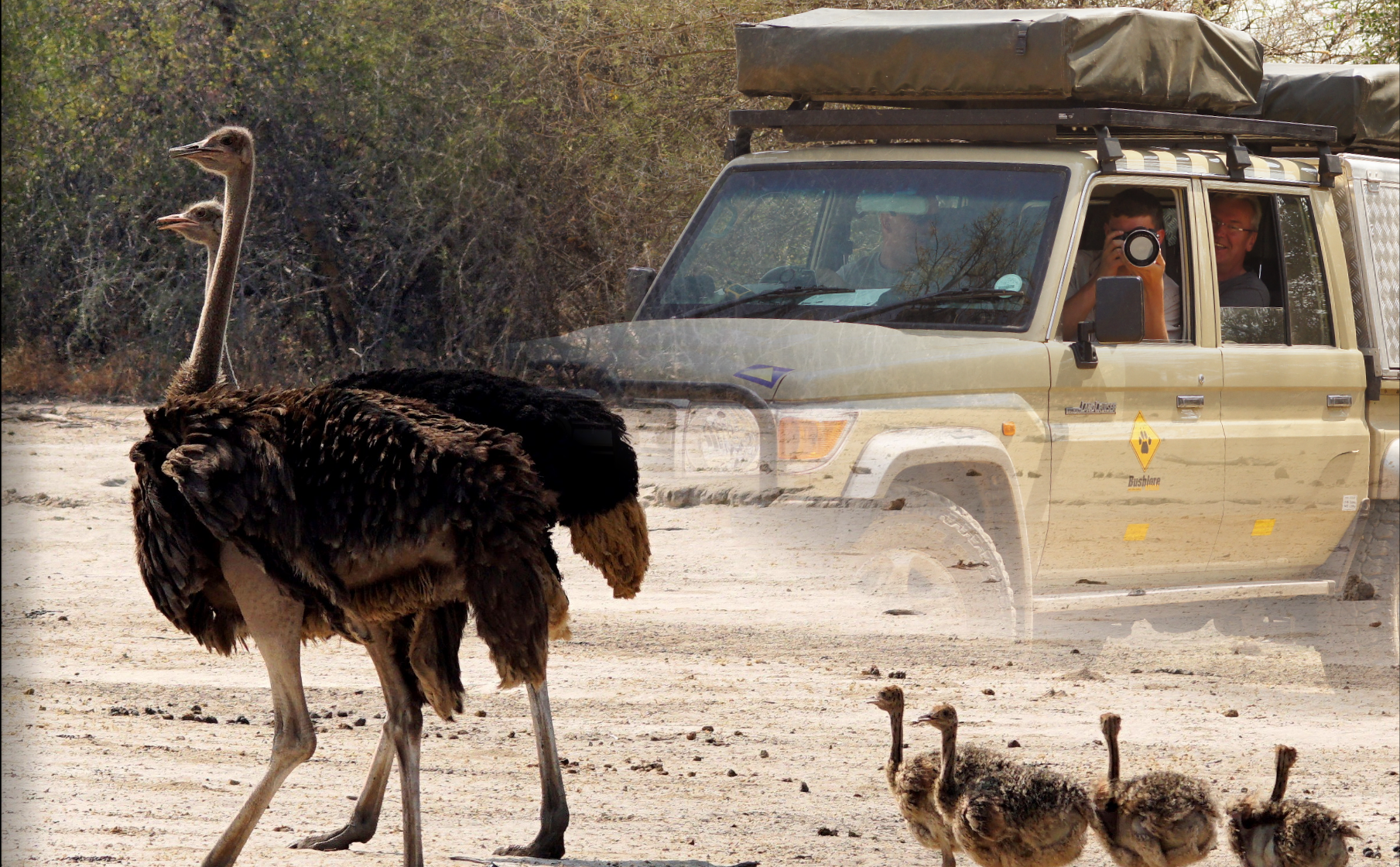
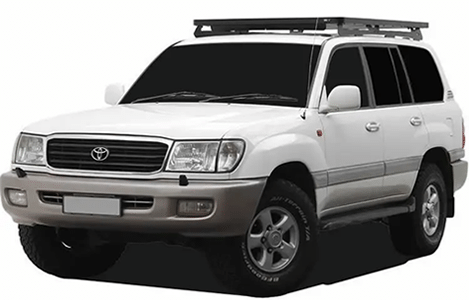
The standard safari vehicles are 4×4 SUVs and pickups. Common choices include the Toyota RAV4, Land Cruiser Prado, Land Cruiser V8, Land Cruiser Hardtop (often with a roof-top tent or full camping kit) and Suzuki Vitara or similar compact 4x4s. A high-clearance 4×4 is strongly recommended even though main roads are paved, because feeder roads to park gates, lodges and community areas can be steep, muddy or rutted, especially in the rains.
Typical rental conditions to flag to clients:
- Driver requirements: a valid licence, usually held for at least one to two years, plus an International Driving Permit (IDP) for licences not in English or French. Minimum age is commonly 23 to 25.
- Insurance: comprehensive cover with an excess or deductible. Tyre, windscreen and undercarriage damage are often excluded or charged separately, so clients should read the terms.
- Deposit: a refundable security deposit, typically on a credit card or by mobile money or bank transfer.
- Mileage: some operators include a daily allowance, others offer unlimited mileage, and this matters on long cross-border itineraries.
- Extras: rooftop tents, camping gear, fridges, GPS units, recovery equipment, spare wheels and local SIM cards.
Pricing varies considerably depending on the vehicle, the season, and the length of the rental. For this reason, we provide current rates directly, tailored to your rental period and preferred vehicle type, rather than publishing generalised figures.
At Auto Rental Rwanda, we actively recommend cross-border trips and make them seamless, as we understand what travellers look for in a wilderness holiday. Crossing borders widens your choice of destinations, accommodates a range of budgets, and offers a greater variety of adventures.
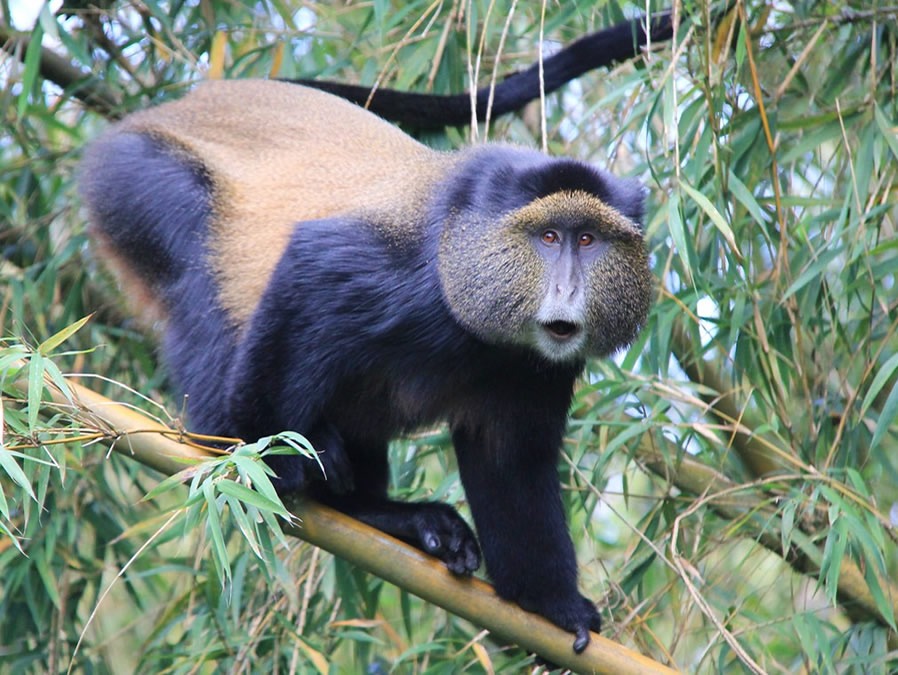
You can combine Volcanoes National Park in Rwanda with Bwindi Impenetrable Forest in Uganda for an exceptional primate safari, featuring mountain gorillas and golden monkeys. Akagera National Park offers the opportunity to see the Big Five, while Queen Elizabeth National Park in Uganda is renowned for its big cats. In addition, Kibale Forest offers chimpanzee habituation experiences, which pair well as an extension to a visit to Nyungwe Forest in Rwanda.
Vehicle you need
- On the tarmac you could manage in a normal saloon car.
- A 4×4 or high-clearance SUV is strongly advised. The roads to many lodges, trailheads and village sites are rough, steep or made of lava rock, and become slippery in rain. Typical rental choices are a Toyota RAV4, a Prado or Land Cruiser, or a similar mid-size 4×4.
- Gorilla starting points can change from day to day. Rangers may redirect you to a different trailhead, so a capable vehicle helps.
Practical points: check the current rules for foreign licences and any need for an international driving permit with your rental company. Arrive for the briefing in good time, because the early start is fixed. Many visitors, particularly those unfamiliar with mountain roads, prefer to hire a driver-guide. A driver handles the logistics, knows the trailheads, and lets you rest after a tiring trek.
Border crossings. The most popular crossing for tourists is Katuna (Gatuna) on the Kigali to Kabale road, which is the main gateway to south-western Uganda. Other crossings, such as Cyanika (near Volcanoes National Park and Kisoro) and Kagitumba/Mirama Hills (towards the north-east), are used depending on the route. We always advise on which crossing suits the itinerary and current conditions.
Driving on the left. Uganda drives on the left, while Rwanda drives on the right. Rental vehicles in Rwanda are usually left-hand drive, so the adjustment can feel unfamiliar for clients, particularly on busy roads and when overtaking. Clients are be briefed honestly on this, and some may prefer a driver-guide for the Ugandan leg.
Alternative: vehicle swap. In some cases to avoid cross-border complications, we simplify this by arranging a vehicle handover at the border or in Kabale, Kisoro or Kampala, using a partner company in Uganda. This can be simpler for one-way trips.
Auto Rental Rwanda
Self driving to Volcanoes National park is one of the best safari trips in Rwanda. When you book a permit and rent a 4×4 our team will brief you on the preparations of the trekking regarding time and what to carry. Guides at the briefing center will allocate you a group where you will need some minutes to drive at the starting point.
4x4 Land Cruiser
Is one of the most reliable 4x4 for African road trips. However, the toyota Rav4 or Hyundai Sorento is another affordable option.
Cross-Border Hire: How It Works
Taking a Rwandan rental into Uganda is possible with us at Auto Rental Rwanda, and there are key points to note.
Permission and paperwork. We must authorise the crossing in writing and supply the vehicle’s registration documents, a letter of authority or cross-border permission letter, and proof of ownership. Without these, the car can be refused or held at the border.
Insurance extensions. Standard Rwandan cover often stops at the border. Cross-border travel typically requires extended comprehensive cover and regional third-party motor insurance. Auto Rental Rwanda arrange this for an additional fee, and the policy genuinely covers Uganda.
Temporary import and border procedures. Vehicles are normally processed under temporary import arrangements at the border. Drivers should carry passports, the vehicle’s papers, the authority letter, insurance documents and their driving licence. Uganda and Rwanda both participate in the East African Tourist Visa arrangement (with Kenya), which can simplify multi-country trips, but visa rules and fees change, so clients should check current requirements before travel.
Auto Rental Rwanda
Why Clients Cross from Rwanda to Uganda
Several motivations drive cross-border self-drive demand:
- Combining the region’s headline wildlife. Rwanda is a leader in gorilla trekking and primate experiences, while Uganda adds big-game safaris, boat safaris and chimpanzee trekking. Together they make a richer East African itinerary than either does alone.
- Gorilla trekking flexibility. Both countries offer mountain gorilla permits. Uganda’s Bwindi Impenetrable National Park and Mgahinga Gorilla National Park sit close to the border. Clients unable to secure Rwandan permits, or wanting a lower-cost alternative, often choose Uganda. Others trek in both countries to compare experiences.
- Value and variety. Uganda generally offers a wider range of accommodation and activity price points, from budget campsites to luxury lodges, and more diverse landscapes.
- Wildlife diversity. Uganda has savannah game viewing, tree-climbing lions, boat cruises, crater lakes, chimpanzees and over a thousand bird species, which suits repeat visitors and birders.
- Convenient geography. Kigali to Kabale, Kisoro and Bwindi can be done in a day, so a loop (Kigali, Uganda, back to Kigali or onward to Entebbe) is logistically sensible.
- Freedom and independence. Self-drivers enjoy setting their own pace, stopping at markets and villages, camping, and combining wildlife with culture.
- One-way flexibility. Many clients arrive in Kigali and depart from Entebbe, or the reverse, which avoids backtracking.
Common Destinations Tourists Cross to in Uganda
Bwindi Impenetrable National Park. The headline attraction for most crossings. A UNESCO World Heritage Site, it protects around half of the world’s mountain gorillas and has trekking sectors including Buhoma, Ruhija, Rushaga and Nkuringo. Rushaga and Nkuringo are closest to Rwanda’s border.
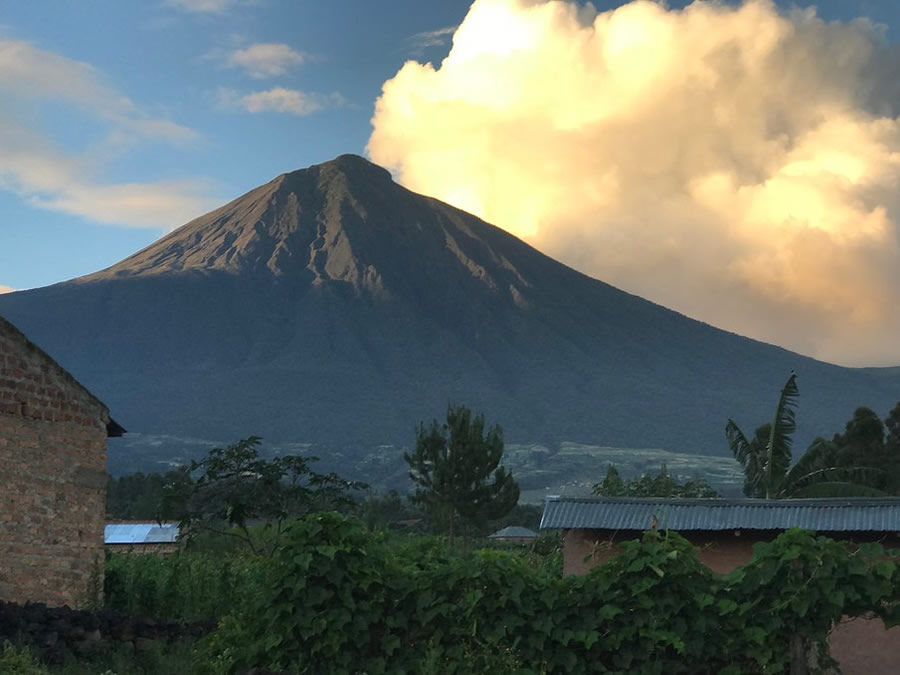
Mgahinga Gorilla National Park. Near Kisoro, offering gorilla trekking, golden monkey tracking and Virunga volcano hikes. It links geographically to Rwanda’s Volcanoes National Park.
Lake Bunyonyi. A scenic highland lake near Kabale, popular as a relaxing stopover with canoeing, islands and lodges. It is often the first overnight after crossing at Katuna.
Queen Elizabeth National Park. Uganda’s most visited savannah park, known for the Kazinga Channel boat cruise, elephants, hippos, buffalo and the Ishasha sector’s tree-climbing lions.
Kibale Forest National Park. Famous for chimpanzee trekking, with high primate diversity and nearby crater lakes.
Lake Mburo National Park. A smaller park within reach of the Kigali to Kampala corridor, offering walking safaris, horseback safaris, zebras and impalas not found elsewhere in Uganda’s main parks.
Murchison Falls and Kampala/Entebbe. Longer itineraries may continue north to Murchison Falls or end in Kampala and Entebbe for the flight home.
Best Time to Recommend These Trips
The region has two dry seasons and two wet seasons, which shapes advice for self-drive clients.
Best months: June to September and December to February. These are the main dry seasons. Roads are firmer, gorilla trekking trails are less muddy, and wildlife viewing is easier as animals gather near water. June to September is generally the top recommendation for self-drivers, with clear skies and good visibility. December to February is also excellent but busier, with higher demand over the festive period, so early booking of vehicles and permits is essential.
Shoulder months: March to May and October to November. These are the long and short rains respectively. April and May are typically the wettest and hardest for self-drive travel, with slippery mountain roads, possible landslides and muddy trails. These months can suit adventurous clients seeking lower prices and fewer crowds, but they require a capable 4×4, flexible schedules and realistic expectations. Many lodges and operators offer discounted rates in this period.
Practical advice for operators:
- Book vehicles and gorilla permits well ahead for peak dry months.
- Recommend a true 4×4 for any itinerary involving Bwindi’s southern sectors, where roads can be steep and rough.
- Advise against driving at night in either country because of pedestrians, livestock, unlit vehicles and poor visibility.
- Build in extra time for border formalities, which can take from under an hour to several hours depending on traffic and paperwork.
- Confirm cross-border permission, insurance and documents at least a week before departure.
- Check current visa requirements, park fees and any changes to border procedures, as these can shift without much notice.
Summary
Rwanda offers a well-organised base for self-drive travel, and crossing into Uganda greatly widens the itinerary, combining gorillas, chimpanzees, savannah wildlife and scenic lakes in one trip. The main practical hurdles are permission and insurance for cross-border use, the switch from right-hand to left-hand driving, and border paperwork. For most clients, the best window is June to September, with December to February a strong alternative. With a reliable 4×4, correct documents and a realistic itinerary, a Rwanda-Uganda self-drive circuit is among East Africa’s most rewarding journeys.