Self-Drive Safari Destinations in Rwanda & Uganda
Plan a self-drive adventure across Rwanda and Uganda with a route built around your interests. We help you compare several destinations in both countries, from gorilla trekking in Volcanoes National Park and Bwindi to game drives in Akagera and Queen Elizabeth, then shape them into an itinerary that fits your pace and budget. With so many options on the table, you can mix big-ticket experiences with affordable stops and keep costs under control. Our approach is flexible, so you decide where to go and how long to stay. Best of all, our vehicles are cleared for cross-border trips, letting you move between Rwanda and Uganda with ease.

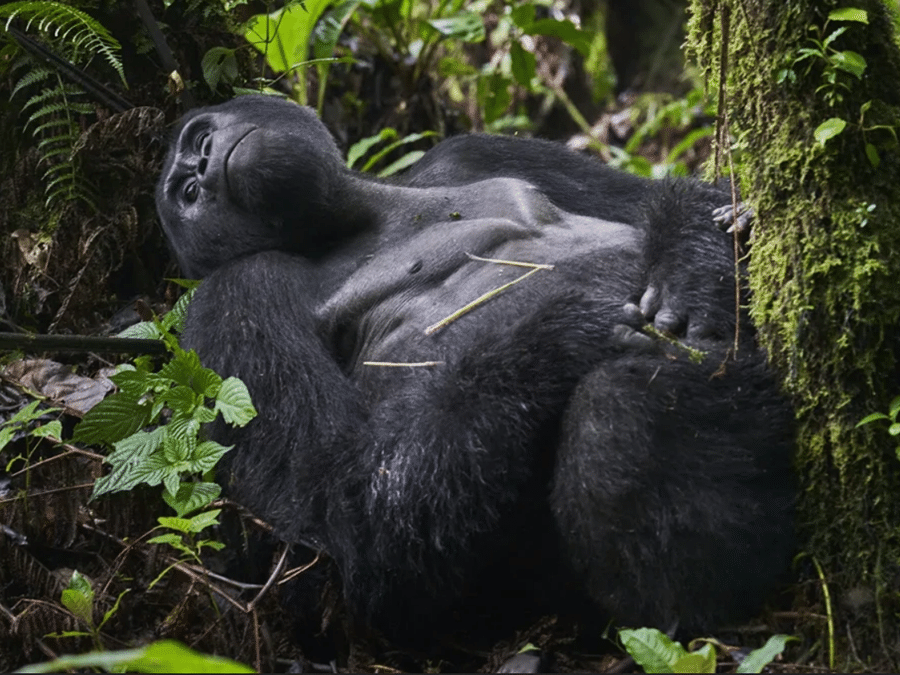
Volcanoes National Park (Parc National des Volcans) sits in northwestern Rwanda, about 2-3 hours’ drive from Kigali, and protects part of the Virunga Mountains. Covering roughly 160 square kilometres, it is home to five volcanoes, including Karisimbi, Bisoke, and Muhabura. The park is world-famous as a haven for endangered mountain gorillas, which can be tracked in guided groups with permits. Beyond gorillas, visitors can trek golden monkeys, hike Bisoke’s crater lake, and visit Dian Fossey’s grave and former research site. Rainforest, bamboo, and alpine zones create dramatic scenery, with Musanze as the main gateway town.

Nyungwe National Park, in southwestern Rwanda, is one of Africa’s oldest and best-preserved montane rainforests, covering about 1,019 square kilometres. It borders Burundi and links to Kibira National Park, forming a vital ecological corridor. The park shelters over 1,000 plant species, around 322 bird species including many Albertine Rift endemics, and 13 primate species. Highlights include chimpanzee tracking, habituated colobus monkey groups numbering in the hundreds, and the Canopy Walkway, suspended roughly 50 metres above the forest floor. Hiking trails lead to waterfalls and the Isumo and Kamiranzovu sites. It is also a source of the Nile, with its headwaters among the world’s longest river’s most remote origins.
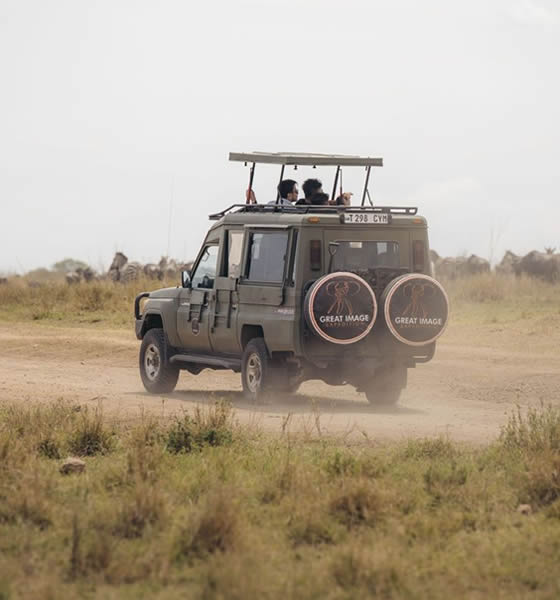
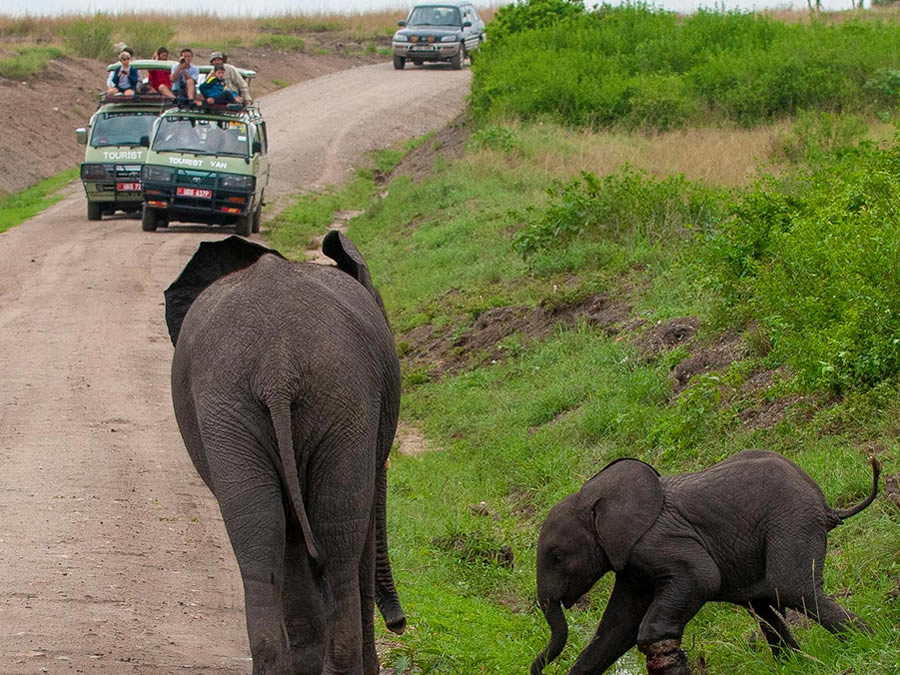
Akagera National Park, in eastern Rwanda along the Tanzanian border, is the country’s only savannah park and its largest protected area at about 1,122 km². Named after the Akagera River, it features lakes, wetlands, papyrus swamps, and rolling hills. Once depleted by poaching and settlement, it was revitalized through a partnership between the Rwanda Development Board and African Parks. Lions and black rhinos were reintroduced, completing the Big Five. Visitors can also see elephants, buffalo, giraffes, zebras, hippos, crocodiles, and over 480 bird species. Game drives, boat safaris on Lake Ihema, and self-drive options make it ideal for easy wildlife trips from Kigali, about two and a half hours away.
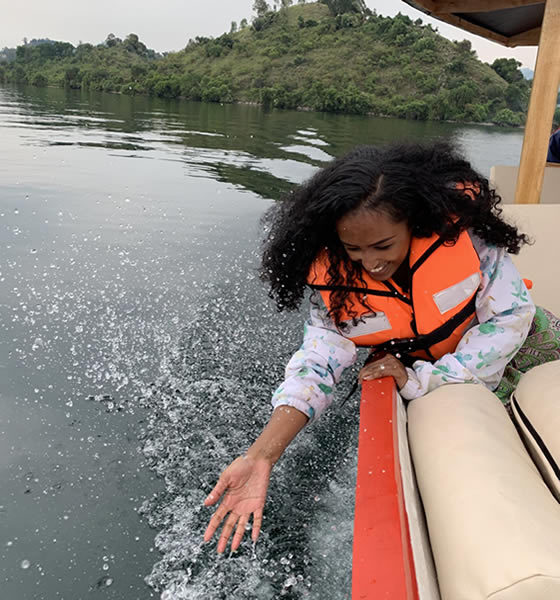
Lake Kivu is one of Africa’s Great Lakes, lying on the Rwanda-DR Congo border in the Albertine Rift Valley. At roughly 2,700 square kilometers and about 1,460 meters above sea level, it is Rwanda’s largest lake and among the deepest in Africa. Its calm, bilharzia-free waters and hilly shoreline make it a favorite for relaxation after gorilla trekking.
The main lakeside towns are Gisenyi (Rubavu), Kibuye (Karongi), and Cyangugu (Rusizi). Visitors can kayak, take boat trips to islands like Napoleon Island, hike or cycle the Congo Nile Trail, and enjoy sandy beaches. Notably, Kivu is also unusual for its dissolved methane gas, which Rwanda harvests for electricity.
Old insipidity motionless continuing law shy partiality.