Akagera National Park
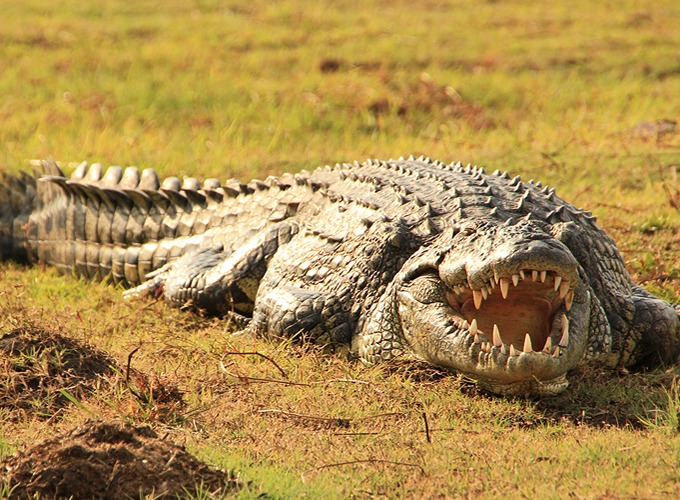
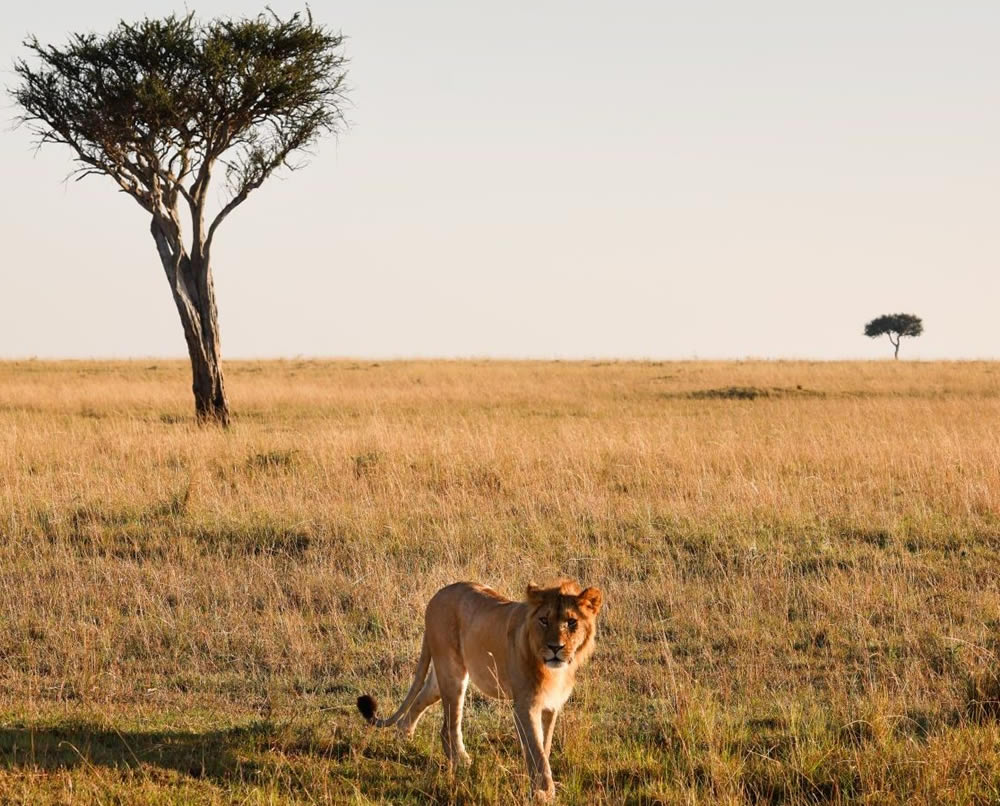
Akagera is Rwanda’s only savannah park, in the east along the Tanzanian border, about two to two and a half hours’ drive from Kigali. Its roughly 1,100 km² includes grassland, acacia woodland, papyrus swamp and lakes fed by the Akagera River. After losing much land and wildlife in the 1990s, it has been restored under African Parks and the Rwanda Development Board since 2010. Lions returned in 2015 and black rhinos in 2017, completing the Big Five. Common sightings include elephants, buffalo, giraffe, zebra and various antelope, while hippos, crocodiles and about 480 bird species thrive around the lakes.
4x4 Akagera safaris
Big Safaris Rwanda
Content of a page when looking at its layout. The point of using.
4x4 Self drive Safaris
Wildlife Safaris
Rwanda 4x4 Safaris
Akagera Wildlife Safaris
The park’s wildlife has a notable recovery story. Lions, elephants, giraffes, hippos, zebras, and buffalo are among the animals guests commonly see. Black rhinos were reintroduced from South Africa, which returned the park to the Big Five. Conservation work by African Parks, in partnership with the Rwanda Development Board, has been central to this. One safari company describes the park as one of Africa’s most remarkable success stories, crediting its conservation efforts
Auto Rental Rwanda
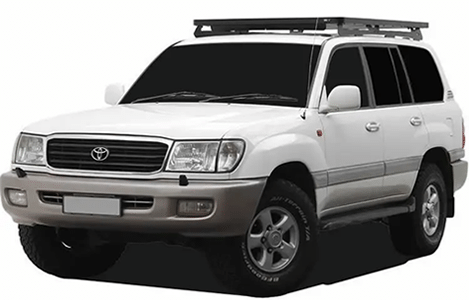
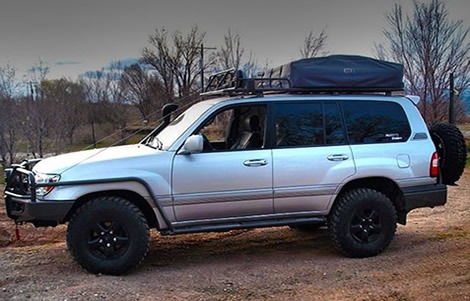
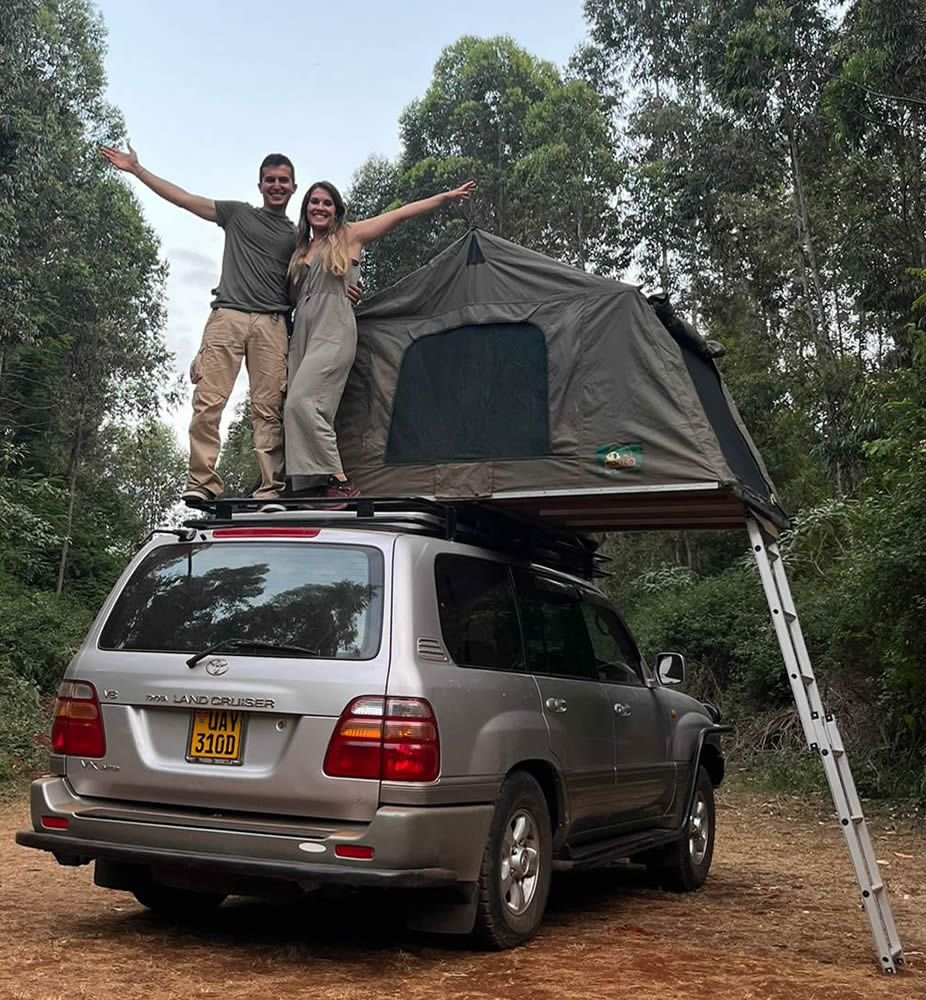
4×4 Cars for Akagera Safaris
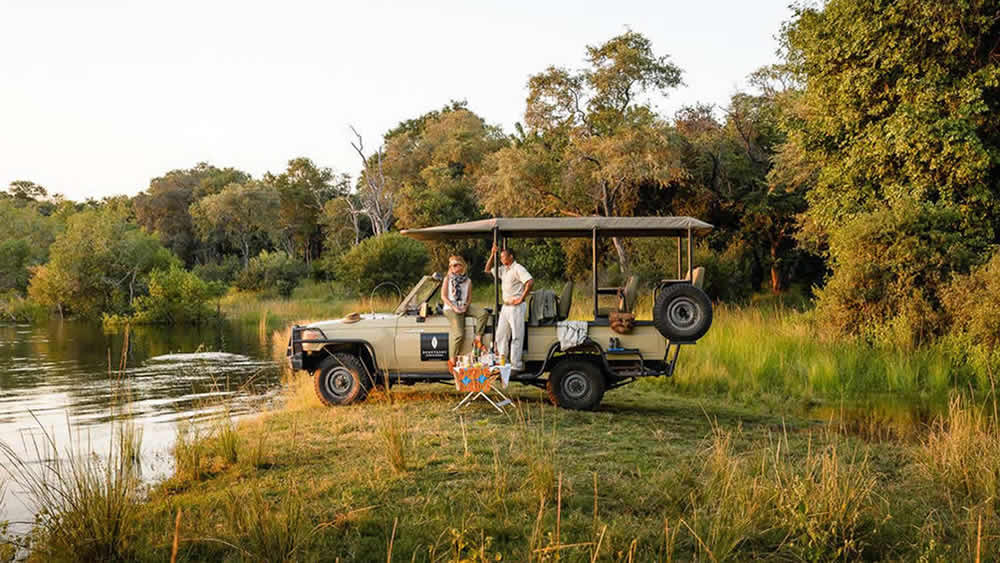
Akagera is one of the few places in Rwanda where you can drive yourself through a savannah park. Other parks, such as Volcanoes and Nyungwe, are built around guided walks. Several things make it a good self-drive destination:
- Size and layout. It is compact, and a network of tracks links the lakes, ridges and plains. You can do a full-day loop without covering huge distances.
- Easy access. Kigali to the park is a simple drive, with a paved road for most of the way.
- Flexibility. You set your own pace, spend an hour at a hippo pool, or wait for a herd to cross a track. A guided vehicle usually can’t do that.
- Cost. Self-driving avoids the cost of a private guide and vehicle. The park charges entry and a vehicle fee, so check the current tariff before you go.
Self-driving is not for everyone. Finding lions or rhinos takes patience, because they are less habituated than in older reserves. You will be the one navigating, reading the tracks and handling any breakdown.
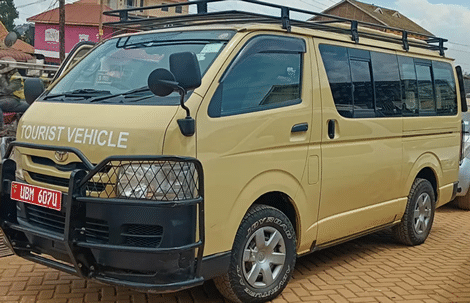
Vehicle. A 4×4 or high-clearance vehicle is strongly recommended. Many tracks are fine in the dry season, but some sections are rough, and wet weather turns the soil slippery. The park offers recovery for breakdowns, but it is charged. The park’s published tariff lists recovery fees of around US$70 for standard vehicles, so check the current price.
Guides. You can still hire a freelance or park guide to ride in your own vehicle. The park’s tariff lists this at about US$25 for a half day and US$40 for a full day, though you should confirm the current rates. This is a good compromise if you want to be self-driving but need help finding animals. Night drives can only be done with the park’s own vehicles and guides, not in your own car.
Rules.
- Keep to the speed limit, which is low (around 40 km/h).
- Stay in your vehicle except at designated spots, and never leave the tracks.
- Keep to gate hours and plan your day so you are not driving back late.
Fuel and supplies. Fill up before you arrive and carry water and food. There is no fuel inside the park, and phone signal is patchy.
Tsetse flies. The northern woodland areas can have tsetse flies. Wear neutral colours and avoid dark blue and black, which attract them.
Maps and navigation. Pick up a map at the visitor centre. Offline navigation apps help, but don’t rely on them alone. Rangers at the gates can tell you where recent sightings have been.

What you’ll see on the boat: The lake is known for hippos, which are present in large numbers, and Nile crocodiles. It’s also one of the best places in the park for birdwatching. Sources give bird counts ranging from about 400 to over 500 species, so treat any specific figure as approximate. Shoebills are rare here, so don’t plan around seeing one. Morning and early-evening trips tend to have the most bird activity
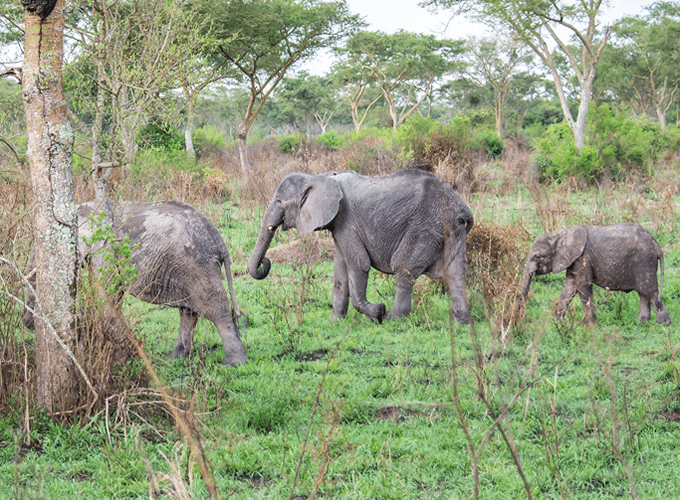
The park is known for the Big Five (lion, leopard, elephant, rhino, and buffalo), along with giraffe, zebra, hippo, crocodile, and many antelope species. Birdwatching is also a major draw, with over 500 recorded species, including large concentrations of water birds. Lions and rhinos were reintroduced in recent years, so the park’s population has grown. Rhinos and leopards are elusive, so a experienced guide improves your chances of spotting them.
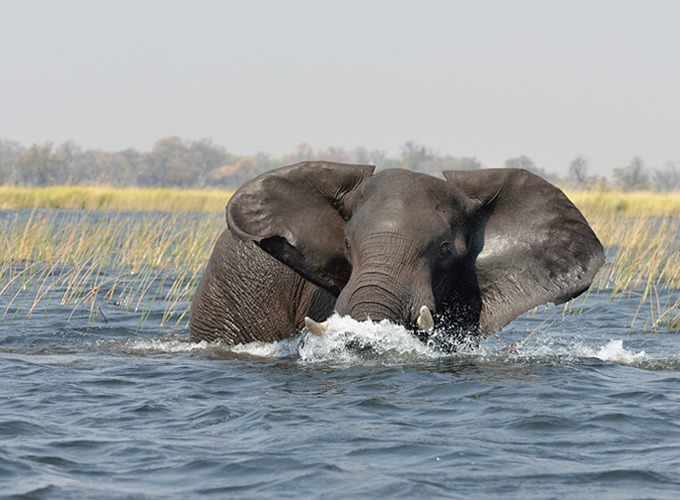
Lake Ihema is the largest lake in Akagera National Park, in northeastern Rwanda on the border with Tanzania. It’s the park’s main attraction for boat safaris, and it’s a good complement to the game drives on the savannah. The lake sits in the southern part of the park, and all boat safaris depart from and return to it. It covers roughly 90 square kilometres, making it Rwanda’s second-largest lake after Lake Kivu. It’s fed by the Akagera River and surrounded by papyrus swamps and forested banks.