Auto Rental Rwanda
Bwindi Impenetrable National Park: A Self-Drive Guide from Rwanda
About Bwindi
Bwindi Impenetrable National Park sits in southwestern Uganda, along the edge of the Albertine Rift near the borders with Rwanda and the DR Congo. It covers about 321 square kilometres of steep, mist-wrapped montane and lowland forest, and it is one of the oldest and most biologically rich forests in Africa, a refuge that survived the last Ice Age. UNESCO made it a World Heritage Site in 1994.
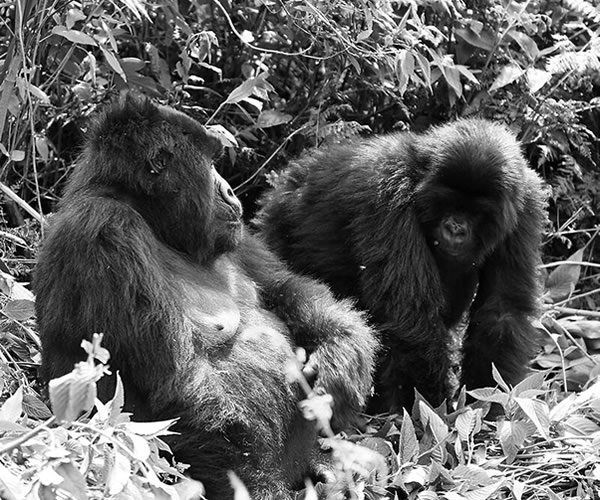
The park is best known for its mountain gorillas. Bwindi shelters roughly half of the world’s remaining mountain gorillas, with the rest in the Virunga Massif (shared by Rwanda, Uganda and the DRC). The forest also holds around 120 mammal species, including forest elephants, chimpanzees, L’Hoest’s monkeys and duikers. It has over 350 bird species, including many Albertine Rift endemics, and more than 200 butterfly species, with a dense understorey of ferns, vines and tree giants.
The name is slightly misleading. “Impenetrable” refers to the thick vegetation and the ridges and ravines of the terrain, which is why treks can be strenuous. The park is divided into four trekking sectors: Buhoma (north), Ruhija (east), Rushaga and Nkuringo (both south). Each has its own gorilla groups, lodges and character.
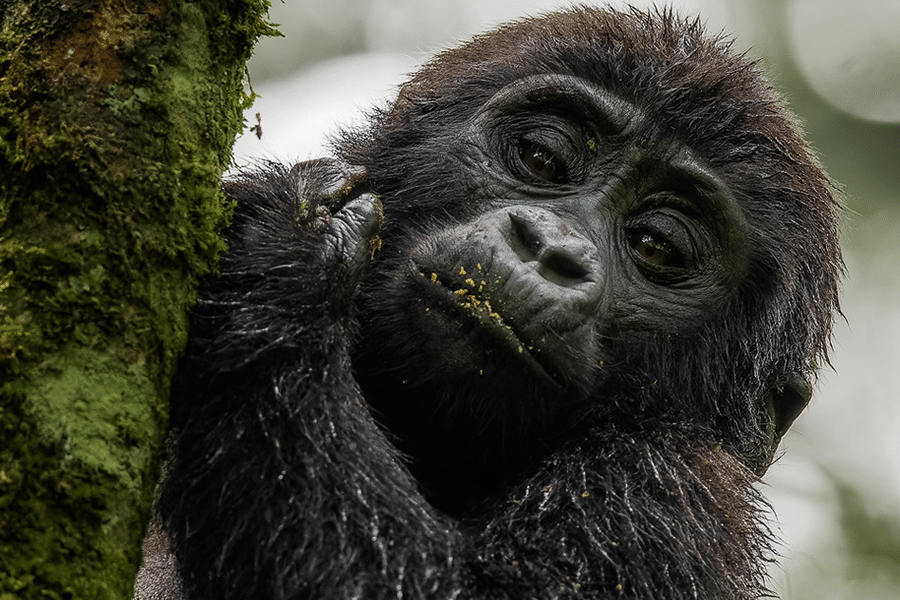
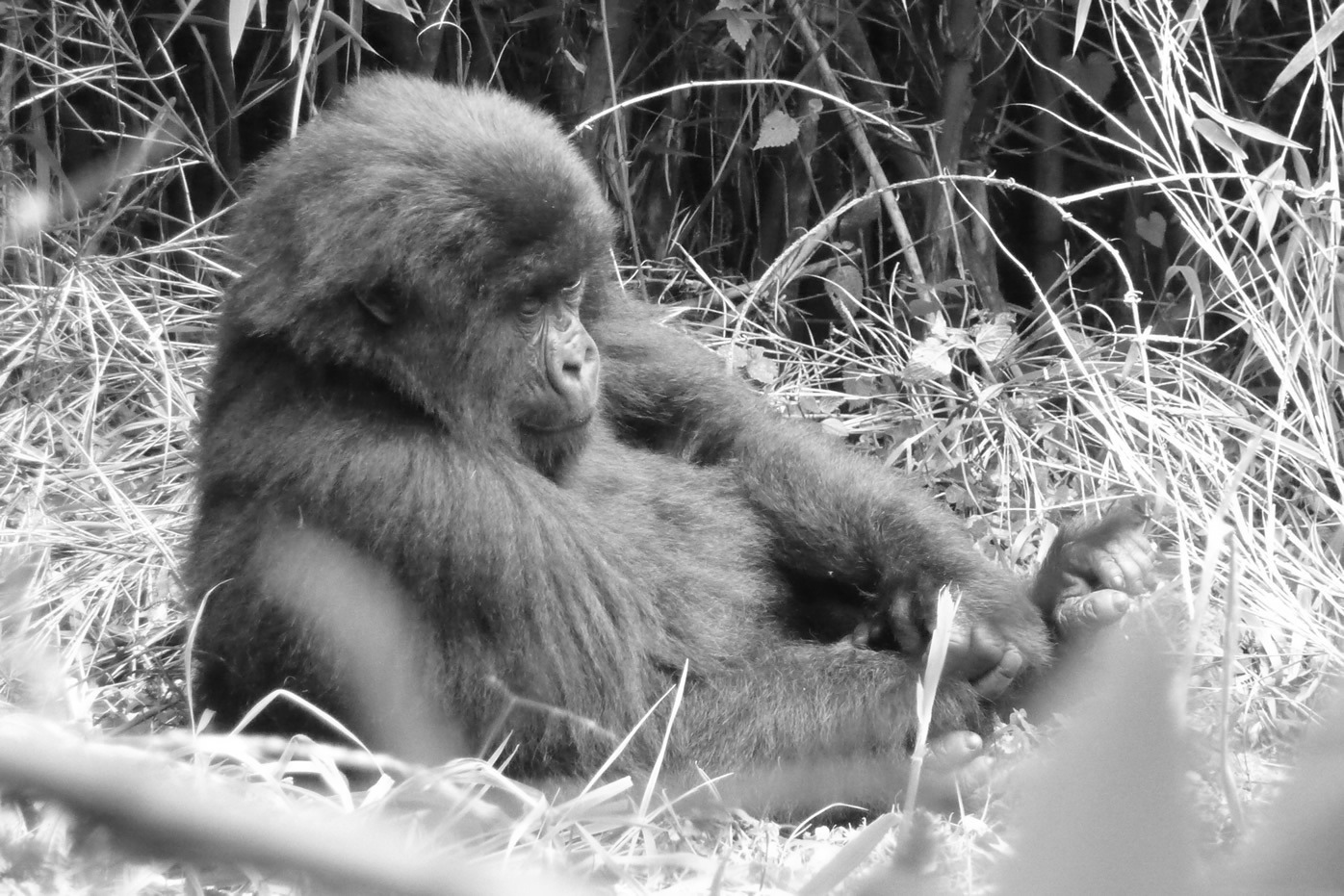

- Gorilla trekking. This is the main reason to visit. Visitors are assigned to a habituated gorilla group and set off with a ranger guide and trackers. Treks can last from one hour to most of a day depending on where the gorillas moved overnight. When you find them, you get one hour of viewing at a respectful distance. Groups are limited to eight visitors per gorilla family per day. The minimum age is 15.
- Gorilla habituation experience. Available mainly in Rushaga, this allows up to four hours with a gorilla group that is still being habituated. It costs more but offers longer time with the animals and a close look at researchers’ and trackers’ work.
- Birding. Bwindi is one of Uganda’s best birdwatching sites. Highlights include the African green broadbill, Shelley’s crimsonwing, handsome francolin and several turacos. Ruhija and the Mubwindi Swamp trail are especially well known for Albertine Rift endemics.
- Guided nature walks. In Buhoma, popular options include the Waterfall Trail, the Muzabajiro Loop Trail (with views over the Virunga volcanoes on clear days) and the Rushura Hill Trail. These walks suit people not trekking gorillas or those who want extra time in the forest.
- Batwa cultural experiences. The Batwa were the forest’s original inhabitants before the park was gazetted. The Batwa Experience, run by community members, shows traditional hunting, honey gathering, fire-making and storytelling. Proceeds support the community.
- Community and village walks. Walks through Bakiga villages, banana plantations and craft cooperatives are available from several sectors. Some can be combined with a visit to a local school or health centre.
- Mountain biking. Some operators offer cycling on village and forest-edge routes, especially around Buhoma and Ruhija.
- Nearby add-ons. Lake Bunyonyi near Kabale (canoeing, island visits and relaxation), Lake Mutanda near Kisoro, and Mgahinga Gorilla National Park fit well into the itinerary. Mgahinga offers golden monkey tracking and volcano hikes.
Vehicle you need
- On the tarmac you could manage in a normal saloon car.
- A 4×4 or high-clearance SUV is strongly advised. The roads to many lodges, trailheads and village sites are rough, steep or made of lava rock, and become slippery in rain. Typical rental choices are a Toyota RAV4, a Prado or Land Cruiser, or a similar mid-size 4×4.
- Gorilla starting points can change from day to day. Rangers may redirect you to a different trailhead, so a capable vehicle helps.
Practical points: check the current rules for foreign licences and any need for an international driving permit with your rental company. Arrive for the briefing in good time, because the early start is fixed. Many visitors, particularly those unfamiliar with mountain roads, prefer to hire a driver-guide. A driver handles the logistics, knows the trailheads, and lets you rest after a tiring trek.

Basic Accommodation Options for Self-Drive Travellers
Self-drive visitors have more flexibility than those on fixed packages, though the best places near the park book out in peak season. Options range from simple to comfortable.
Budget
- Community rest camps and bandas: These are run by local groups in several sectors, such as the Buhoma Community Rest Camp. They offer basic rooms or tents, shared facilities and low prices, and your stay supports local communities.
- Backpacker hostels and guesthouses: Several simple guesthouses lie near the park gates and in the small trading centres.
- Camping: Some lodges and community camps let you pitch your own tent or hire one. This works well for self-drive travellers with camping gear. Ask about hot water, food and security.
Mid-range
- Small lodges and tented camps in Ruhija, Rushaga and Nkuringo often have en-suite rooms, hot showers, restaurants and views over the forest. Prices are higher than budget options but much lower than luxury lodges.
- Hotels in Kabale and Kisoro: If park-side lodges are full or too costly, base yourself in a town. Kisoro is useful for Rushaga and Nkuringo, and Kabale for Ruhija. Travellers’ Rest Hotel in Kisoro is a long-established favourite with an interesting history connected to primatologist Dian Fossey.
Lake Bunyonyi
- Many travellers stay at Lake Bunyonyi before or after trekking. It has a wide range of lodges and campsites, from budget to upmarket, and it offers a restful lakeside break from forest hiking.
Tips for booking: Reserve early for peak months (June to September and December to February). Tell your lodge your trekking sector and start time, since a long drive on rough roads before dawn is exhausting. Many travellers stay the night before their trek close to the gorilla sector’s briefing point.
Auto Rental Rwanda
Self driving to Volcanoes National park is one of the best safari trips in Rwanda. When you book a permit and rent a 4×4 our team will brief you on the preparations of the trekking regarding time and what to carry. Guides at the briefing center will allocate you a group where you will need some minutes to drive at the starting point.
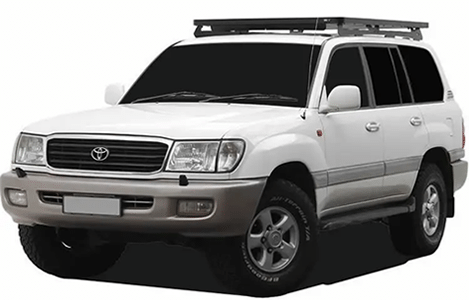
4x4 Land Cruiser
Is one of the most reliable 4x4 for African road trips. However, the toyota Rav4 or Hyundai Sorento is another affordable option.
Best SUVs for Bwindi Safaris
Roads leading to the park include murram, steep hills, tight bends and muddy patches. The right vehicle matters, particularly in rainy season.
Top choices:
- Toyota Land Cruiser Prado (150 series): The classic choice. It has good ground clearance, a strong 4WD system, comfort on long drives and wide availability.
- Toyota Land Cruiser 200 or 300 series: More power, space and capability, though more expensive to hire or fuel.
- Toyota Hilux double cab: A rugged pickup that handles bad roads well. The rear is less comfortable and less secure for luggage unless fitted with a canopy.
- Toyota Fortuner: A hardy mid-size SUV built on Hilux underpinnings, with good value and reliability.
- Mitsubishi Pajero or Pajero Sport: Dependable 4WD with solid off-road ability.
- Nissan Patrol or Land Rover Defender: Capable, but parts, servicing and fuel economy vary.
Volcanoes National Park
Many travellers combine Rwanda and Uganda, and Bwindi is quite reachable from Kigali. There are two main routes.
Route 1: Kigali to Kabale via Gatuna/Katuna. This is the main border crossing. Kigali to the border is about 80 km on good tarmac, and Kabale is roughly 30 km beyond it. From Kabale you continue to:
- Ruhija sector: about 2 hours on murram (gravel) road, rough in places.
- Rushaga and Nkuringo sectors: about 2.5 to 3.5 hours via Kabale or Lake Bunyonyi.
Route 2: Kigali to Kisoro via Musanze and Cyanika. You drive to Musanze, then cross at Cyanika and continue to Kisoro. This is the better choice for Rushaga and Nkuringo, since Kisoro is a convenient base. The Kigali to Kisoro journey takes around 3.5 to 4 hours including the border. Bwindi’s southern sectors are then 1.5 to 2.5 hours away on unpaved roads.
Buhoma is the hardest sector to reach from Rwanda. It involves a long drive of 6 or more hours, so most self-drivers pick Ruhija, Rushaga or Nkuringo instead.
Practical self-drive considerations
- Driving side: Rwanda drives on the right, and Uganda drives on the left. Most Rwandan cars are left-hand drive, so expect some adjusting on roundabouts, overtaking and narrow mountain roads.
- Vehicle paperwork: If you rent a car in Kigali, the rental company must authorise cross-border travel in writing. You will need the vehicle registration, a cross-border letter, valid insurance covering Uganda (often a COMESA Yellow Card) and temporary import documentation at the border. Confirm exactly what’s required with your rental company beforehand, because border procedures change.
- Documents: Passport, driving licence (an International Driving Permit is wise), and the correct visa. The East Africa Tourist Visa covers Rwanda, Uganda and Kenya, but check current requirements before you travel.
- Permits first: Gorilla permits are limited and sell out, so book through the Uganda Wildlife Authority (UWA) or a licensed operator well before you travel. As a guide, foreign non-resident permits were USD 800 at last check, with a higher price for a full-day habituation experience. Verify current rates directly with UWA.
- Weather: The rainy seasons run roughly March to May and October to November, which includes right now. Roads in the park’s surroundings can turn slick and muddy, and travel times can double. Dry months (June to September and December to February) are easier on a self-drive.
- Fuel and cash: Fill up in Kabale, Kisoro or Kihihi. Fuel stations thin out near the park, and mobile money or card payments may not work in remote areas, so carry some Ugandan shillings.
- Daylight: Avoid night driving. Roads are narrow, unlit and often shared with pedestrians, cyclists, livestock and boda-bodas.