Self-Drive Safaris from Entebbe.
Entebbe International Airport (EBB) is the main gateway for self-drive safaris in Uganda. It sits about 35 kilometres from central Kampala, roughly an hour’s drive in normal traffic and much longer at rush hour. Most rental operators have depots near the airport or in Kampala’s Ntinda, Kololo, and Bugolobi areas, and many will deliver the vehicle to the airport for arrival. Uganda drives on the left, and the roads range from well-maintained tarmac on the main highways to rough murram (gravel) tracks inside national parks. That mix is why a 4×4 is the sensible choice for most safari routes.
Renting a Pickup or 4×4 in Kampala and Entebbe
Rental operators in Kampala offer everything from basic Toyota Hilux double cabs to fully equipped Land Cruisers with pop-up roof tents, fridges, and camping gear. Prices vary with season, vehicle age, and how much equipment you add, but as a rough guide, a standard 4×4 with insurance typically costs somewhere in the range of US$120 to US$250 per day, with fuel usually paid by the renter. Fully kitted camping vehicles cost more. Check current rates directly with operators, since these figures shift often.
Pay close attention to what the rental covers. Look for comprehensive insurance, the excess (deductible) amount, mileage limits, and whether a 24-hour breakdown line is included. Ask whether the company provides a spare wheel, jack, tow strap, and a basic tool kit, and check the tyres before you leave the depot. Also confirm whether the vehicle has a GPS tracker and what happens if you return it late. To drive in Uganda you need a valid national driving licence, and most visitors also carry an International Driving Permit. If your licence is not in English, the IDP is essential. Carry your passport, your yellow fever certificate if your route requires it, and copies of all rental documents. Police roadblocks are common, and officers may ask for these papers.
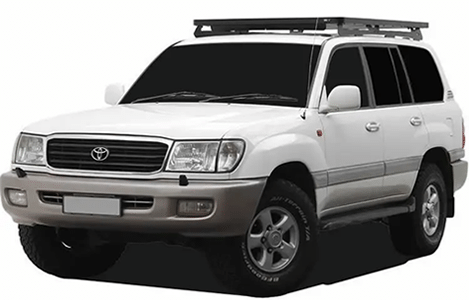
The Toyota Land Cruiser Prado
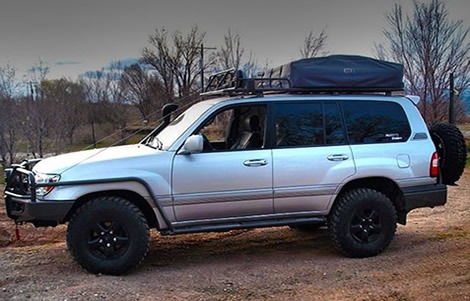
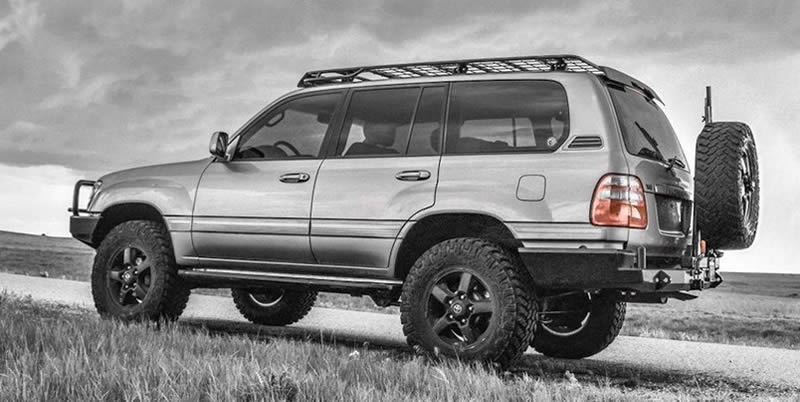
The Toyota Land Cruiser 200
Fuel is sparse in remote areas like Kidepo and the Kisoro hills, so carry extra on long stretches and refuel at every diesel station. Avoid night driving, since unlit vehicles, pedestrians, and livestock make Ugandan roads risky. Park fees are charged daily, so budget for them and keep receipts. Book gorilla permits and accommodation early, especially June to September and December to January. Carry small shillings for tolls and purchases, plus Rwandan francs for the border. Download offline maps before leaving Kampala, as coverage is patchy in parks and along the Kisoro road. With good planning, a suitable 4×4, and proper paperwork, a self-drive safari from Entebbe to Kigali is rewarding.
One-Way Self-Drive Trips from Uganda to Rwanda
Dropping a vehicle in Kigali instead of returning it to Kampala is possible, but it requires planning. Not every rental company allows cross-border travel, and those that do usually charge a cross-border fee and a one-way drop-off fee. Some companies also require advance written permission and a letter confirming that the vehicle is insured for travel in Rwanda. Ask before you book, and get the answer in writing.
Insurance is the critical detail. Your rental must include cross-border cover for Rwanda, and the paperwork should name Rwanda explicitly. Ask the company to supply the documents you need at the border and confirm what happens if the vehicle is damaged in Rwanda.
Plan on roughly 500 kilometres from Kampala to Kigali via the Mbarara and Kabale route, which usually takes eight to ten hours of driving, plus border formalities. From Entebbe, add the extra time to reach Kampala first. Most travellers cross at the Katuna (Uganda) and Gatuna (Rwanda) border post, which is well used and generally straightforward. Allow an hour or more for immigration and customs, and have your vehicle documents, passport, visa, and rental paperwork ready.
Two practical differences matter a great deal. Uganda drives on the left, but Rwanda drives on the right, so you will need to switch sides at the border. Rwanda also has well-maintained roads, a strict approach to traffic enforcement, and a generally smooth driving environment, which makes the switch manageable but still worth thinking about, especially on the first kilometres after crossing.
Visa requirements differ between the two countries, and many nationalities need to obtain Rwandan entry permission in advance, often through an online application. Check the current requirements for your passport before you travel, as the rules change.
Basic Safari Routes from Entebbe
Most self-drive itineraries start in Entebbe or Kampala and branch out into one of a few well-trodden circuits. The western circuit is the most popular. From Kampala, drive to Masaka and then to Lake Mburo National Park, the closest park to Kampala and a good place to see zebras, impalas, and the rare topi antelope on foot or from the vehicle. From Lake Mburo you continue to Mbarara, then head south toward Bwindi Impenetrable National Park, home to the mountain gorillas. Buhoma and Ruhija are the two main trekking sectors, and gorilla permits must be booked well in advance. Bwindi is hilly and rough in places, so give yourself time. From there the road leads to Kisoro, Kabale, and the Katuna border with Rwanda.
The northern and central route works well if you want to see big game. Head north from Kampala to Murchison Falls National Park, where the Nile squeezes through a narrow gorge and plunges over the falls. Then travel south through Masindi toward Queen Elizabeth National Park, famous for tree-climbing lions, hippos, and the Kazinga Channel. From Queen Elizabeth you can reach Kasese and Ishasha, and then continue to Kisoro for the drive into Rwanda. Travellers often combine both routes into a loop that ends in Kigali, since the distance between the two is manageable on tarmac.