Uganda 4x4 Car Rentals ~ Cross border
Auto Rental Rwanda
Highlights of Uganda safari
- Gorilla Trekking safaris
- Gorilla Habituations Experience
- Chimpanzee Tracking
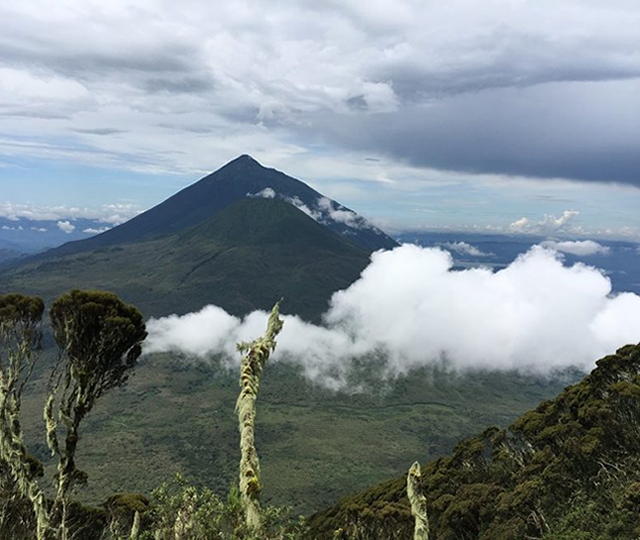
- Hiking safaris - Rwenzori Mountains
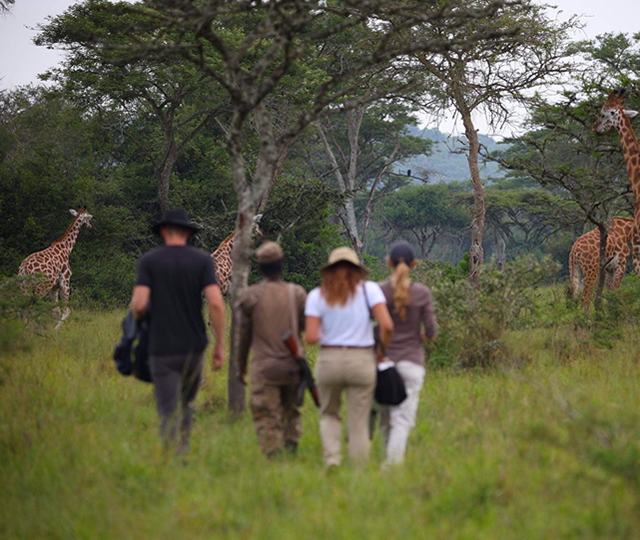
- savannah wildlife Safaris
- Birding and Nature safaris
Camping is one of the most affordable ways to do a self-drive safari, and it gives travelers a close connection to the landscape. Uganda’s national parks, including Bwindi, Queen Elizabeth, Lake Mburo, and Murchison Falls, have established campsites with basic facilities such as toilets, showers, and water. Some campsites have electricity, while others rely on solar power or generators.
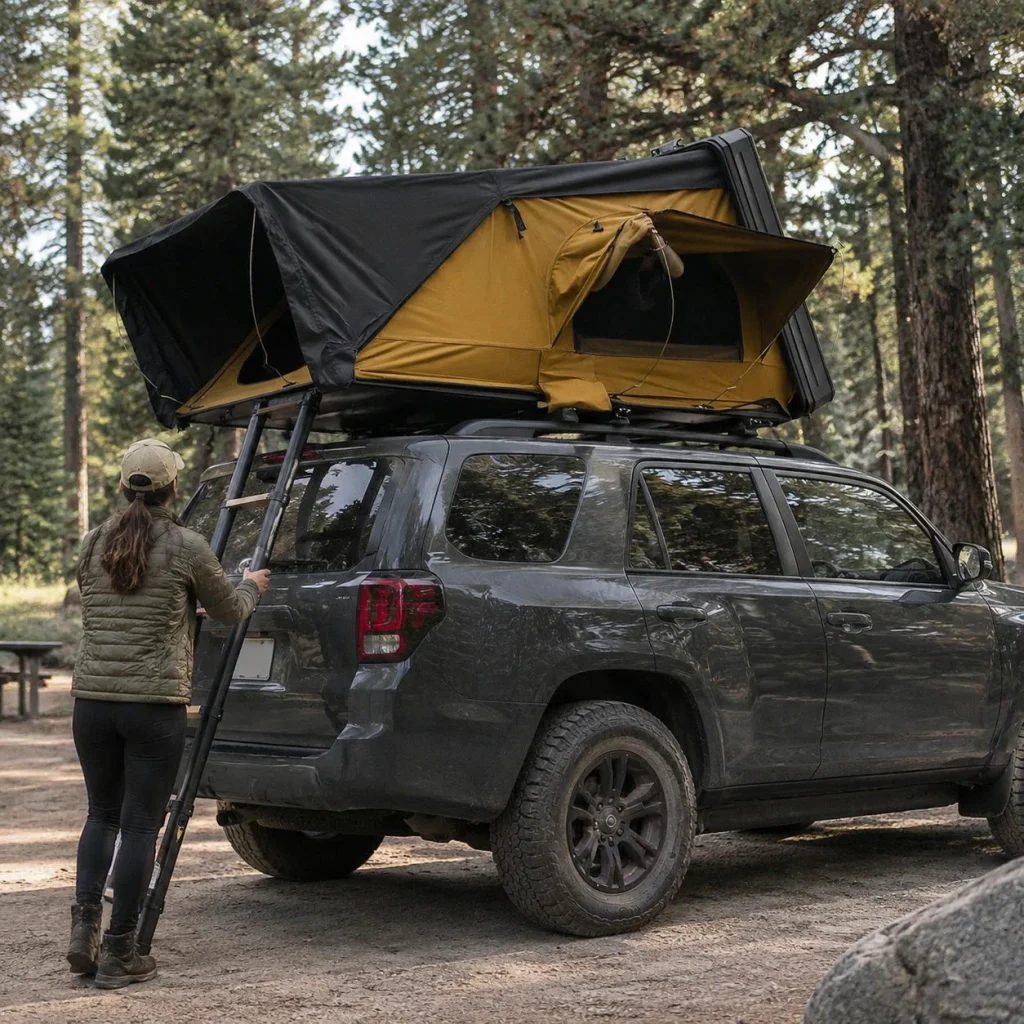
Travelers renting camping gear should check tents, sleeping bags, mattresses, and cooking equipment before accepting them. Many Kigali rental agencies offer camping packages that include a roof-top tent or a camping kit, which can simplify planning. Wildlife is present in and around campsites, so travelers should follow park rules, keep food secured, and avoid leaving the campsite after dark without a ranger or guide.
Bush camping is restricted in most parks, so travelers should book official campsites in advance, especially during the peak dry seasons from June to September and December to February.
Self-Drive Safaris and Cross-Border Trips from Rwanda to Uganda
Rent a 4×4 Car from Kigali Rwanda and cross over to Uganda on a self drive trip. We at Auto Rentals Rwanda, we provide you with flexibility on where you would like to go. We have 4×4 for autonomous safaris both Rwanda and Uganda. These two destinations share a border, and for many travelers the two countries form a natural pair. Kigali is a convenient gateway, with good international flights, reliable car rental agencies, and a well-paved road network. From there, a self-drive journey into Uganda’s national parks, forests, and lakes is one of the most rewarding ways to see East Africa. This guide covers why people choose this route, where they go, what packages are common, and what kind of accommodation to expect.
- Go gorilla Trekking in Rwanda
- Choose cross border and one way self drive safaris from Kigali to Entebbe.
- Go camping with a 4x4 and rooftop tents for affordable autonomous Safaris.
Why Travelers Start Their Uganda Safari in Rwanda
The most practical reason is geography. The Gatuna–Katuna border crossing sits about 100 to 120 kilometers from Kigali, so travelers can reach Uganda’s southwestern parks in a few hours. Many visitors fly into Kigali International Airport, pick up a vehicle, and cross into Uganda the same week, avoiding a long detour through Nairobi or Entebbe.
Cost is another draw. Car hire in Kigali is often competitive, and fuel and camping fees in Uganda can be lower than those of comparable safari destinations. Some travelers also want to combine two countries in one trip, seeing Rwanda’s Volcanoes National Park for gorilla trekking and then continuing into Uganda’s Bwindi Impenetrable National Park, which lies just across the mountains. The two gorilla regions sit close together, and the same trip can cover both.
Flexibility is perhaps the strongest appeal. Self-drive travelers choose their own pace, stop wherever a view or a herd of elephants catches their eye, and avoid the fixed schedules of group tours. For independent travelers, this freedom is the whole point.
Car hire & Gorilla Trekking
Book a 4×4 vehicle and a gorilla trekking permit for either Bwindi Impenetrable National Park or Mgahinga Gorilla National Park in Uganda. As of July 2026, permits are priced at $800 per person.
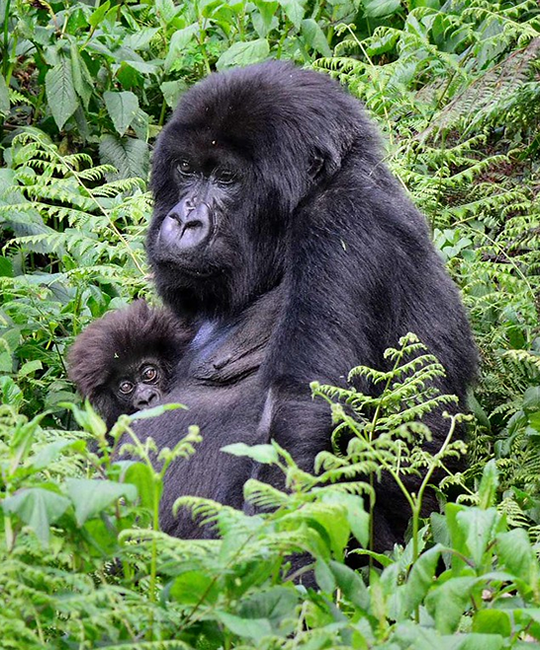
Mgahinga is located close to the Rwandan border and is home to a single habituated gorilla family. It forms part of the Virunga Massif. Bwindi Impenetrable National Park is home to roughly half of the world’s mountain gorillas. The park’s trekking access is organized into four sectors: Buhoma in the north, and Ruhija, Rushaga, and Nkuringo. Each sector is several hours’ drive from the others, so please consider both your accommodation and your permit sector when making the booking.
Your Guide to Uganda Safaris
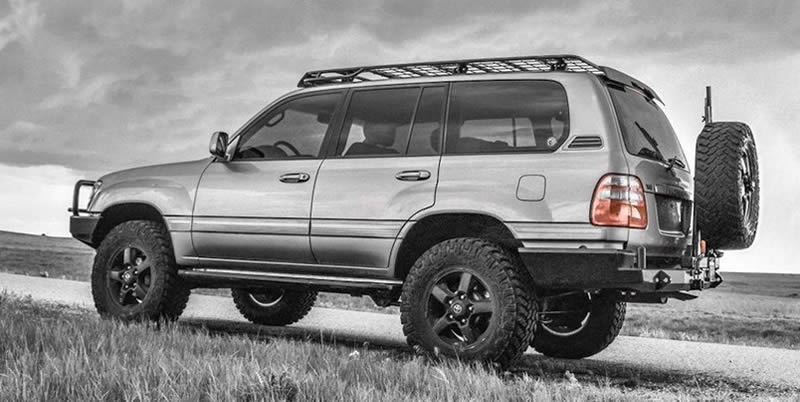
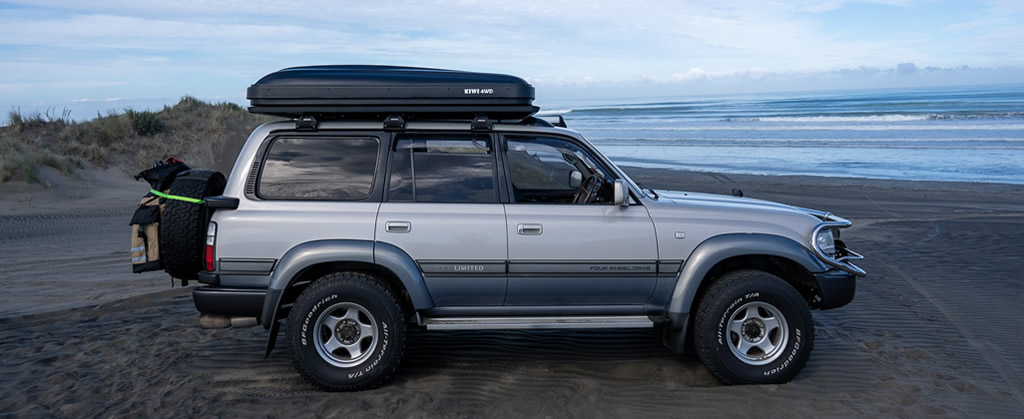
Self-drive travel in Uganda requires a 4×4 for most park roads, which can be rough or muddy, especially in the rainy seasons. Land Cruisers and similar vehicles are the standard choice, though a higher-clearance SUV can handle main routes. Travelers should confirm the vehicle’s condition, spare tire, jack, and tools before leaving the rental yard.
When planning car hire and cross-border safaris, the most important detail is paperwork. A Rwanda-registered vehicle taken into Uganda needs valid third-party insurance recognized in the region, usually a regional insurance certificate sometimes called a yellow card. The rental company must also provide written permission to take the vehicle across the border, and most agencies charge a cross-border fee. Drivers should carry their international driving permit, national license, passport, and vehicle documents at all times.
For one-way self-drive hire, such as picking up in Kigali and dropping off in Entebbe, expect a drop-off fee and check that the rental company allows it. Some agencies restrict one-way rentals across borders, so confirmation in writing is essential before booking.
Travelers should verify current visa requirements before departure. Uganda and Rwanda each offer visa options for many nationalities, and the East African Tourist Visa may cover travel between Uganda, Rwanda, and Kenya. Border rules, permit fees, and insurance requirements change from time to time, so it is wise to check with official government sources and the rental company shortly before the trip
usually three to four days, starts in Kigali, crosses at Katuna, drives to Bwindi, and includes one gorilla trek with an overnight stay near the park. Travelers often add a stop at Lake Mburo on the return
Takes visitors through Lake Mburo, Bwindi, Queen Elizabeth, and Kibale, often ending in Kampala or Entebbe for a flight home. This is one of the most popular options for first-time safari travelers.
Typically eight to twelve days, pairs gorilla trekking in Volcanoes National Park with Bwindi or Mgahinga, and may include Akagera National Park for a different landscape of savannah and wetlands.
Suits travelers who bring their own gear or rent it locally. These trips focus on national park campsites, rented vehicles, and self-cooked meals.
Uses premium lodges and tented camps, with a private 4x4 and detailed route planning done in advance. Some travelers add a guided walk or a private boat trip for a more personal experience.
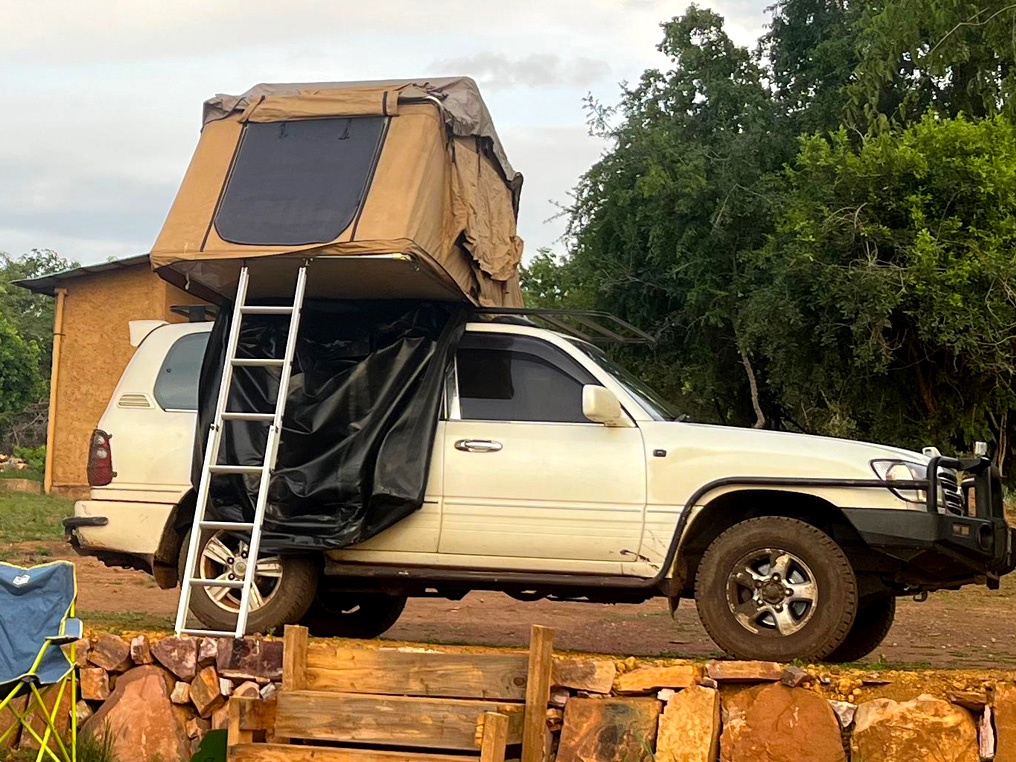
4x4 land Cruiser for camping
Explore Uganda with a Camping Safari. Choose a camping safari in Uganda and enjoy significant savings on your holiday. A 4×4 Land Cruiser equipped with a rooftop tent adds an element of adventure to your journey while keeping your trip within budget.
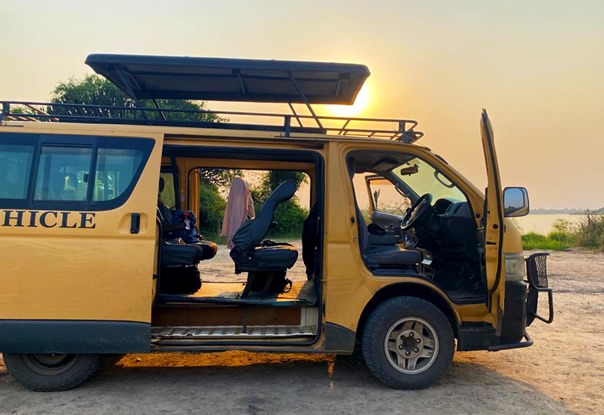
4x4 Hiace Minivan
For groups travelling together, our 4×4 Toyota HiAce minivan, which seats seven, is an excellent value. Costs can be shared among the group. A driver-guide is available for $110 per day.
Land Cruiser GX- Uganda Safaris
All safaris to Uganda require 4×4 vehicles with sufficient ground clearance. Roads within the national parks present greater challenges regardless of season, whether dry or wet. The Bwindi section traverses rolling hills that are occasionally prone to landslides, so drivers new to the region should exercise particular caution. Please note that mobile network coverage is unavailable in some areas. We strongly advise all drivers to proceed with great care.

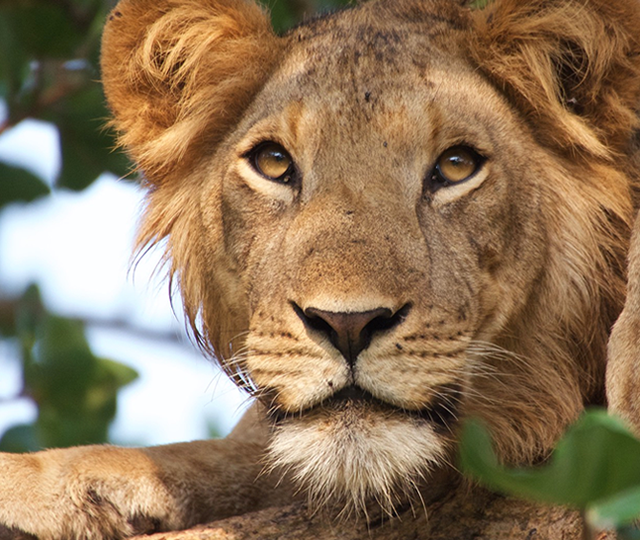
Is one of Uganda’s most varied parks. Its Kazinga Channel boat cruise offers hippos, crocodiles, and abundant birdlife, while the Ishasha sector is known for lions that climb into fig trees.

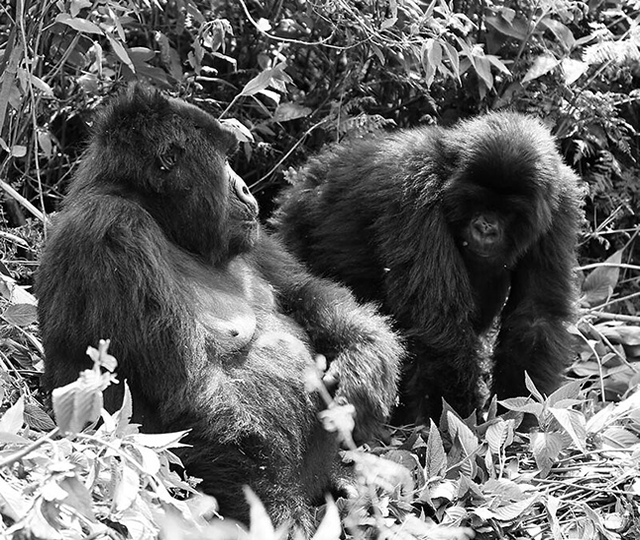
Is the centerpiece for many trips. Its misty forests shelter roughly half of the world’s remaining mountain gorillas, and gorilla trekking here is a highlight. Bwindi has several sectors, including Buhoma, Ruhija, and Rushaga, each with different terrain and trailheads.

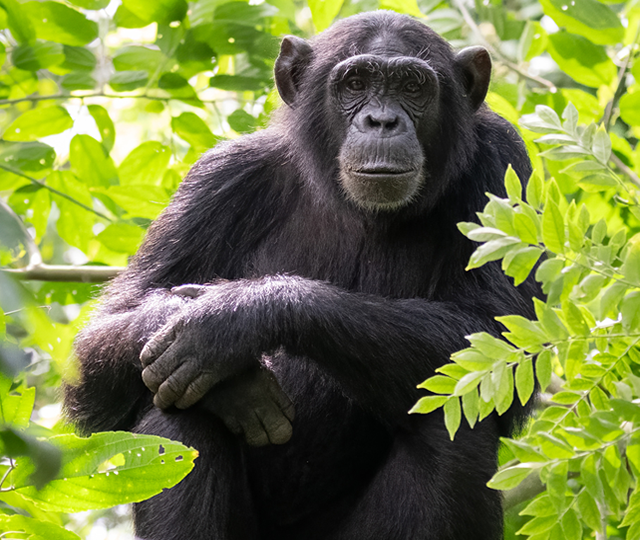
The park is famous for chimpanzee tracking and has some of the highest primate densities in Africa. It pairs well with Queen Elizabeth, as the two parks are close together.

A small and easy to reach, making it a popular first or last stop. It is one of the few places in Uganda where visitors can see zebra, impala, and eland on foot or from a vehicle, and boat trips on the lake add variety.

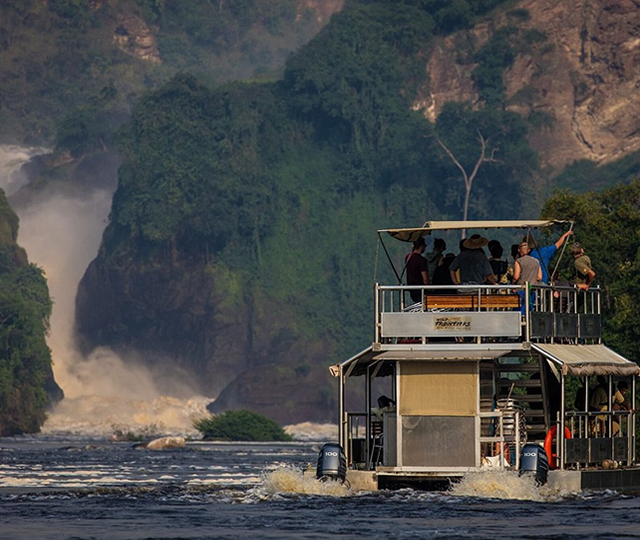
In northwestern Uganda offers the dramatic sight of the Nile forcing itself through a narrow gorge. Boat trips to the base of the falls and game drives on the northern bank are the main attractions.

Sits near the Rwanda and DR Congo borders and connects to the Virunga volcanic range. It is smaller than Bwindi but ideal for travelers combining Uganda and Rwanda gorilla experiences.
Accommodation Options at Popular Destinations
Accommodation in Uganda’s safari regions covers a wide range of budgets and styles.
Budget options include backpacker hostels in Kampala and Entebbe, guesthouses in Kabale and Kisoro, and public campsites inside national parks. These are clean and functional, though facilities are simple.
Mid-range lodges are common near Bwindi, Queen Elizabeth, and Lake Mburo. Typical properties offer en-suite rooms, a restaurant or bar, and a view of the surrounding forest or savannah. Buhoma and Ruhija near Bwindi have several well-regarded lodges in this category.
Tented camps and eco-lodges provide a more immersive experience. Some sit on hillsides with views over the park, while others are set up on the edge of a wildlife corridor. Ishasha Wilderness Camp in Queen Elizabeth is a well-known example of this style.
Luxury lodges offer private cottages, guided activities, and high-end dining. Several properties near Murchison Falls and along the Kazinga Channel fall into this category, and some Bwindi lodges combine forest views with personalized service.
Community homestays and cultural stays are increasingly popular. Visitors can stay with families near Bwindi or Lake Mburo, learn about local farming and crafts, and contribute directly to the local economy. Some visitors also join community trails such as the Batwa experience in the Bwindi area.