Gorilla and Chimpanzee Trekking Permits in Rwanda.
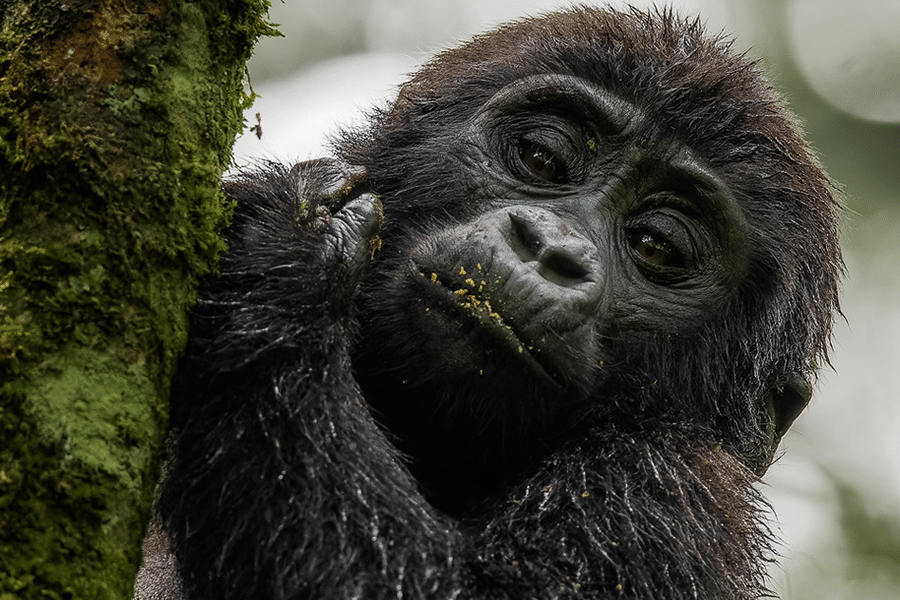
Gorilla trekking in Rwanda takes place in Volcanoes National Park in the Musanze District, about two hours’ drive northwest of Kigali. The Rwanda Development Board (RDB) manages the park and issues every gorilla permit. Each permit gives one person one hour with a habituated gorilla family, accompanied by rangers and trackers. Because the gorillas are a limited, protected population, the number of permits available each day is capped, and the cap is the main reason advance booking matters.
Arranging Gorillas & Chimp Safaris
Permits are arranged in one of two ways. Travelers can book directly with RDB through its online booking system. Alternatively, they can book through a licensed tour operator, who submits the request on their behalf and usually bundles the permit with transport, lodging, and guiding. Both routes produce the same permit, but the operator route tends to suit travelers who want their logistics handled together, while the direct route suits independent travelers who are comfortable managing their own transport and accommodation.
Whichever route is used, the permit is tied to the named traveler. Identity documents must be presented, and the name on the permit must match the passport or national ID the traveler carries on the day. Changing names after issue is generally not permitted, so names should be entered exactly as they appear on the travel document
Your Guide to Gorilla Trekking
Gorilla permit pricing
Gorilla permit prices depend on nationality and residency, and they change over time. At the start of 2026, RDB announced promotional rates that set different fees for different groups of visitors. Rwandan citizens and citizens of the East African Community pay $200. African citizens and African residents pay $500. International visitors pay the standard rate of $1,500. The promotional rates apply until 31 December 2026, but they do not apply during the peak season from June to October, when the standard rate is charged to everyone.
Each category has documentation requirements. Rwandans and East African citizens present a national ID, passport, or birth certificate. African visitors and residents must show a valid passport, resident ID, diplomatic card, or a visa covering at least four consecutive months. Non-residents of Rwanda should expect to show a passport.
Because the rules are tied to dates and categories, the price quoted to a customer should always be checked against the RDB’s current published fees at the time of booking. Tour operators often quote a package price that includes the permit, so it is worth asking for the permit fee to be listed separately, which makes it easier to see what has changed if the rate moves.
A six-day Rwanda Primate Safari includes chimpanzee trekking, and longer trips can move south to Nyungwe Forest National Park for chimpanzee tracking.
A four-day option tracks two separate gorilla families in as many days.
This route can include gorilla trekking, chimpanzee tracking, game drives, and a boat activity.
A 12-day option mixes birding with gorilla trekking
This route pairs chimpanzee tracking with gorilla trekking, with Queen Elizabeth fitting between the two forests. Kibale is the main chimp stop.
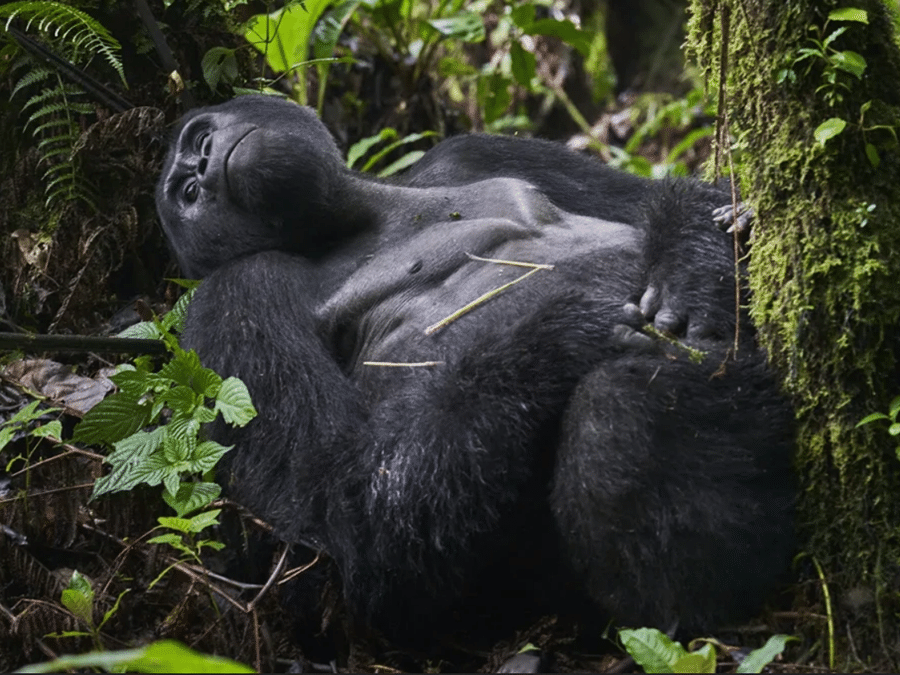
3 Days Bwindi Gorilla Trekking
Gorilla and chimpanzee packages in Rwanda and Uganda usually bundle park permits, lodging, transport, and a guide. Here are the main types of safari packages
1 Day Rwanda Gorilla Trek
Gorilla and chimpanzee packages in Rwanda and Uganda usually bundle park permits, lodging, transport, and a guide. Here are the main types of safari packages
5 Days Rwanda Gorillas & Chimps
Gorilla and chimpanzee packages in Rwanda and Uganda usually bundle park permits, lodging, transport, and a guide. Here are the main types of safari packages
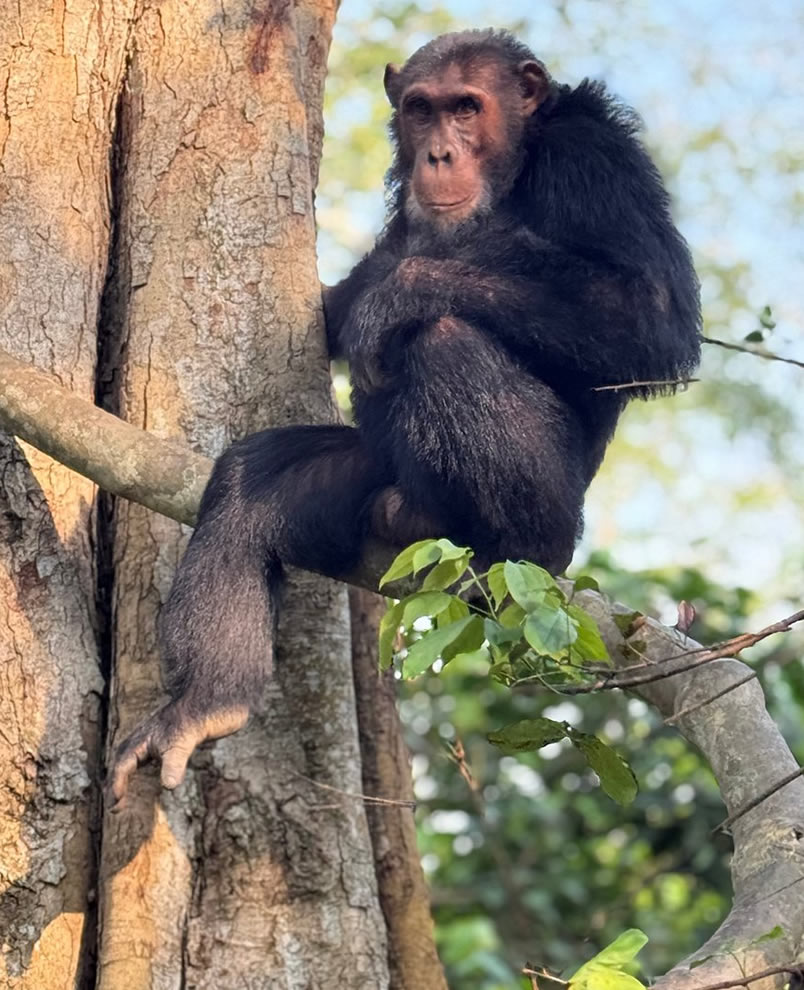
Chimpanzee trekking takes place in Nyungwe Forest National Park in the southwest of Rwanda, and it is a different experience from gorilla trekking. Chimpanzee groups range more widely than gorilla families, so trekking can be longer and less predictable, and visitors often spend more time walking through the forest. The chimpanzee permit is considerably cheaper than the gorilla permit. Historically, the standard non-resident fee has been around $100, with reduced fees for Rwandan citizens and residents. I did not confirm the current chimpanzee fees for 2026 while preparing this text, so please check them with RDB before publishing any figures.
The Volcanoes National Park also offers golden monkey trekking, which is usually priced below the gorilla permit. Like the chimpanzee permit, it should be confirmed against the current RDB schedule before being quoted.
Self-Drive Safaris
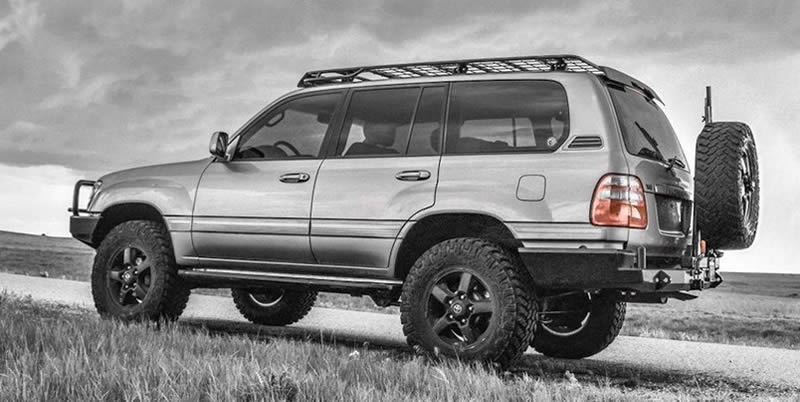
Self-drive is a practical and flexible way to explore both countries. Uganda drives on the left, while Rwanda drives on the right, so travelers moving between the two should pay close attention. The road from Kampala to Fort Portal, the gateway to Kibale, takes roughly five hours and is well paved for most of the route. Rwanda’s road network is particularly good, and the drive from Kigali to Nyungwe passes through rolling hills and tea plantations. Visitors should carry a valid international driving permit, a reliable GPS or offline map, and enough fuel, as stations can be sparse in rural areas. A four-wheel-drive vehicle is recommended for forest tracks, especially during the rainy seasons, when roads can become slippery.
Self-drive travelers should book their permits in advance, since tracking slots are limited each day. Many travelers combine a self-drive itinerary with a local tour operator for the tracking itself. This allows them to drive between parks at their own pace while leaving the permit booking, guiding, and logistics to professionals.
Timing and availability
Advance booking is essential. Sources commonly recommend booking gorilla permits three to six months ahead, and this is especially important for travel during the June to October dry season, when demand is highest and permits sell out quickly. Travelers planning for December and the rainy months may find more availability, but the gorillas are trekked year-round, so no month is truly free of demand.
Permits are generally non-refundable and non-transferable once issued, so the booking terms should be explained clearly to customers. Cancellation policies differ between RDB and tour operators, and customers should check the terms of whichever route they use.
For the promotional rates, timing matters in two ways. The reduced fees are only available outside the June to October peak and only until the end of 2026. A traveler booking in July, for example, will pay the standard rate even if they are Rwandan. Any offer built around the promotional fees should state these dates clearly so that customers are not surprised at checkout.
Practical planning advice
Travelers should arrive in Kigali with enough time before their trekking day to collect their permit and travel to the park. Many visitors stay overnight near Musanze so that they can reach the park headquarters early in the morning. Trekking days usually begin before sunrise, with a briefing at the park headquarters, after which groups are assigned to a gorilla family. The walk to the gorillas can last from under an hour to several hours depending on where the family is, and the hour with the gorillas begins once the group reaches them.
Visitors should bring sturdy hiking boots, long trousers, a long-sleeved top, rain protection, and a camera without flash. A face mask is recommended, and travelers should keep a minimum distance of about seven metres from the gorillas. Hand sanitiser and any personal medication should be packed in a daypack.
Booking checklist
For customers using the offer, the core steps are straightforward. Confirm the traveler’s nationality and residency so the correct fee category applies. Check whether the travel dates fall within the June to October peak period. Make sure the names on the booking match the travel documents exactly. Book at least three to six months ahead where possible, especially for peak dates. Confirm whether the permit is booked directly with RDB or through an operator, and get the cancellation terms in writing.
A note on sources
The figures in this guide reflect the RDB’s January 2026 announcement as reported by Rwandan and regional news outlets, along with published travel guides. Some secondary sources give conflicting figures, particularly for the standard non-resident rate, which has been reported as both $1,500 and lower in certain promotional contexts. Before the offer goes live, confirm the current prices, promotional conditions, and chimpanzee and golden monkey fees directly with the Rwanda Development Board, and check the peak-season dates against the official notice. Since the promotional rates end on 31 December 2026, the offer should also be reviewed in good time for the following year.
Chimpanzee tracking in Rwanda and Uganda offers close encounters with one of nature’s most fascinating species. Kibale and Nyungwe are the headline sites, but cheaper and quieter options exist for those who want to spend more time in the forest. Self-drive travel adds flexibility, provided travelers respect the different driving rules, book permits early, and check current prices before they set out
KN5 Road, Giporoso Kigali
Info@autorentalrwanda.com
+250 780 256709